
Disc Couplings
Engineering definition, selection, API considerations, replacement & interchange guide.
Industrial Disc Couplings
Engineering support for industrial disc and metallic flexible-element coupling selection, sizing, application review, retrofit, replacement, interchange evaluation and RFQ preparation. Covered families include FLENDER N-ARPEX and ARPEX, KTR RADEX-N and RIGIFLEX-N, John Crane Metastream and SIT METALDRIVE and disc couplings from RU-STEEL.
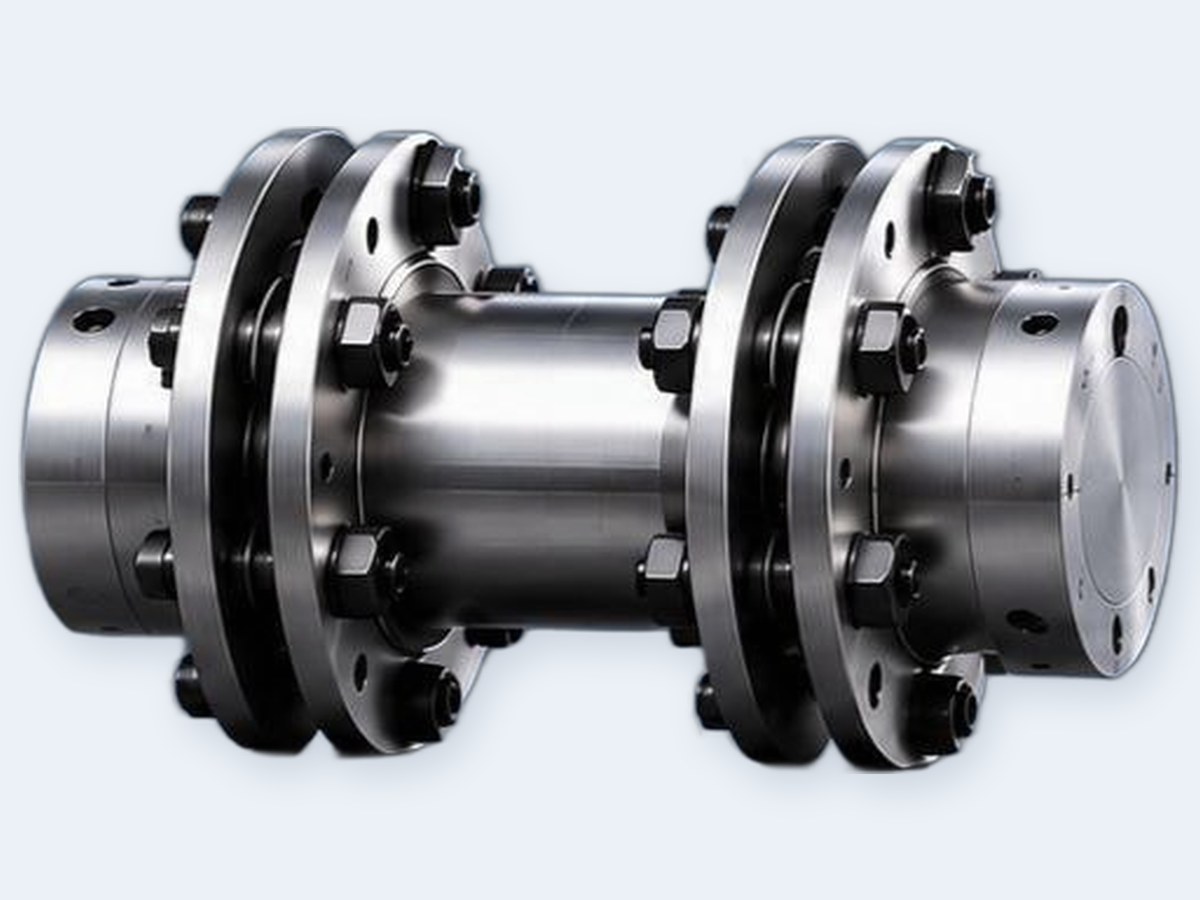
Disc Coupling Families
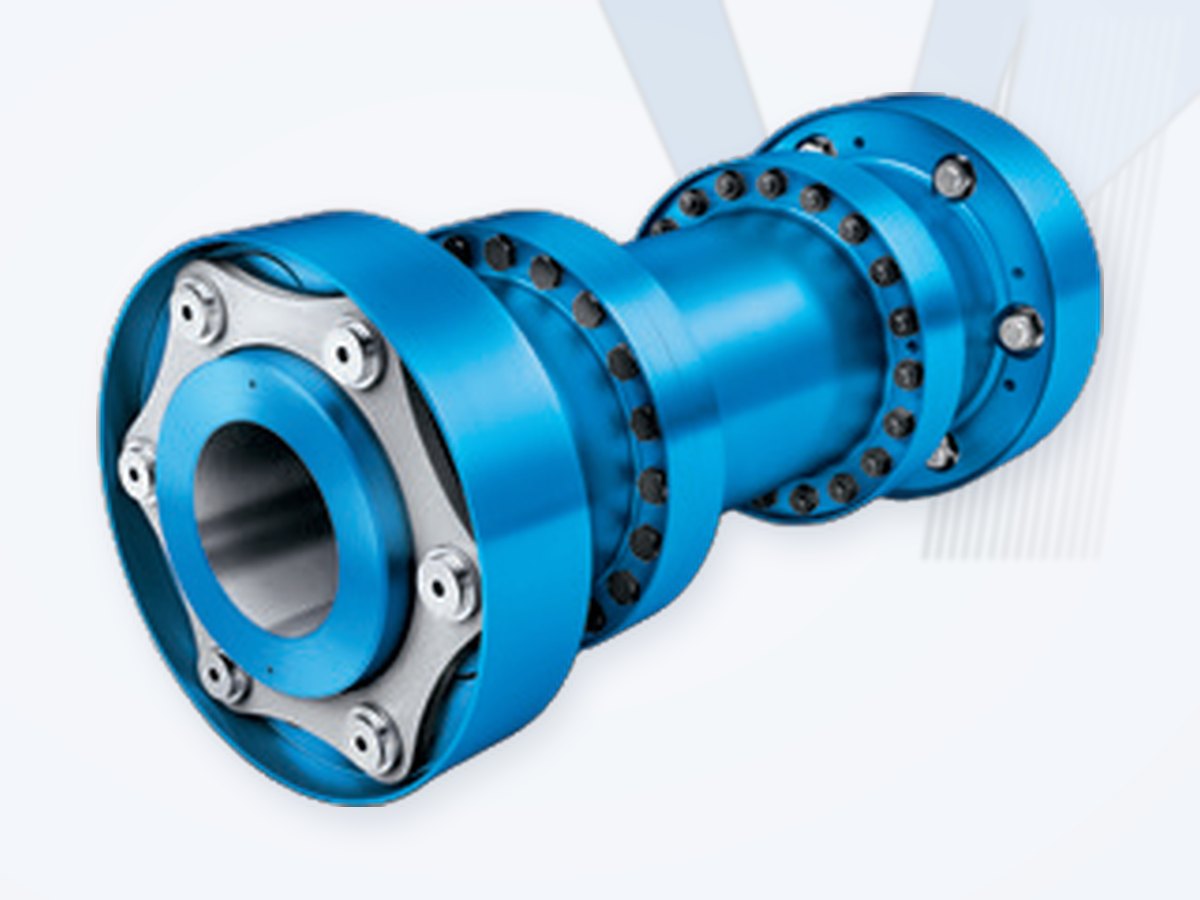
FLENDER N-ARPEX
All-steel multi-disc coupling series (ARN-6/-8/-10) - backlash-free, torsionally rigid and flexurally elastic, in single-flex, double-flex and spacer designs for pumps, compressors, fans and process drives.
View Product →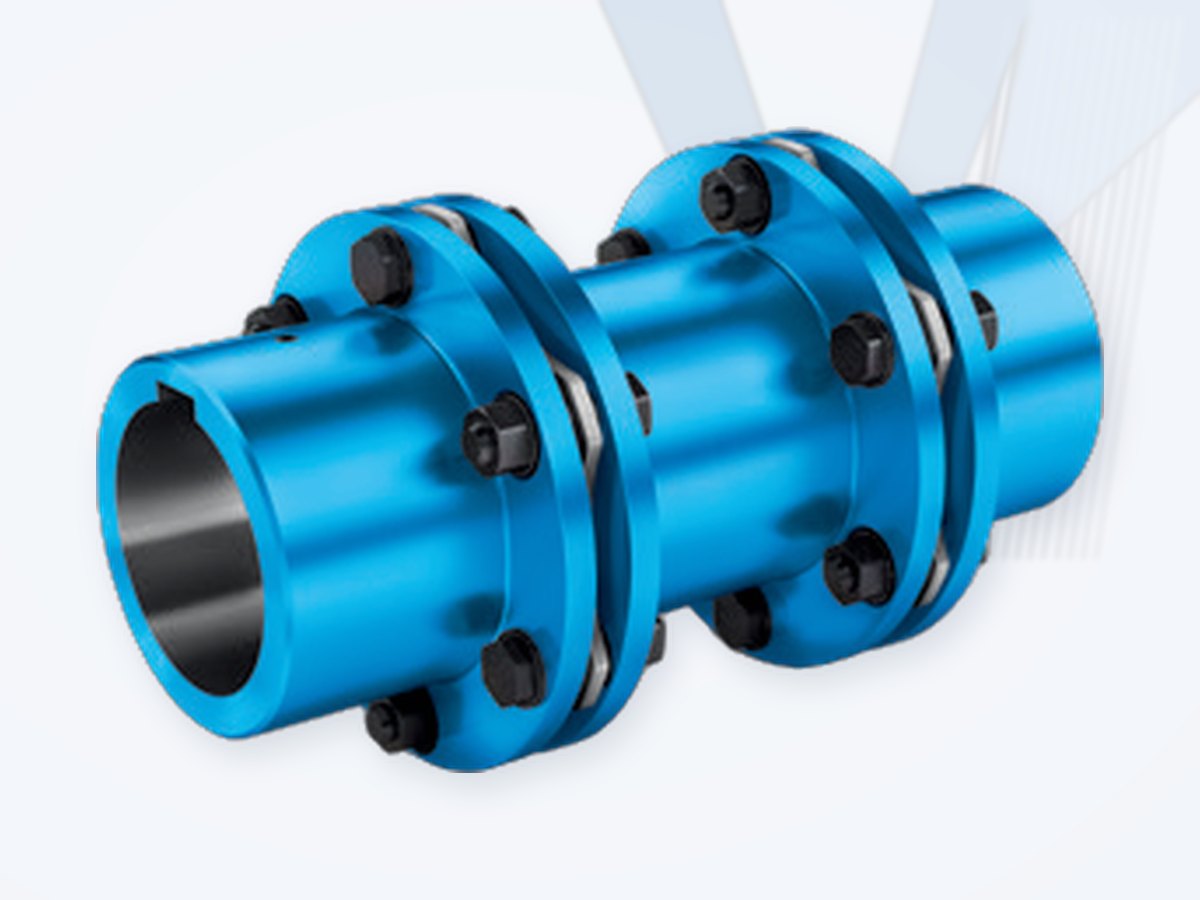
FLENDER ARPEX
All-steel disc coupling series (ARW-4/-6) in the FLENDER FLE 10 Standard Couplings range for general and heavy-duty industrial drives.
Request a Quote →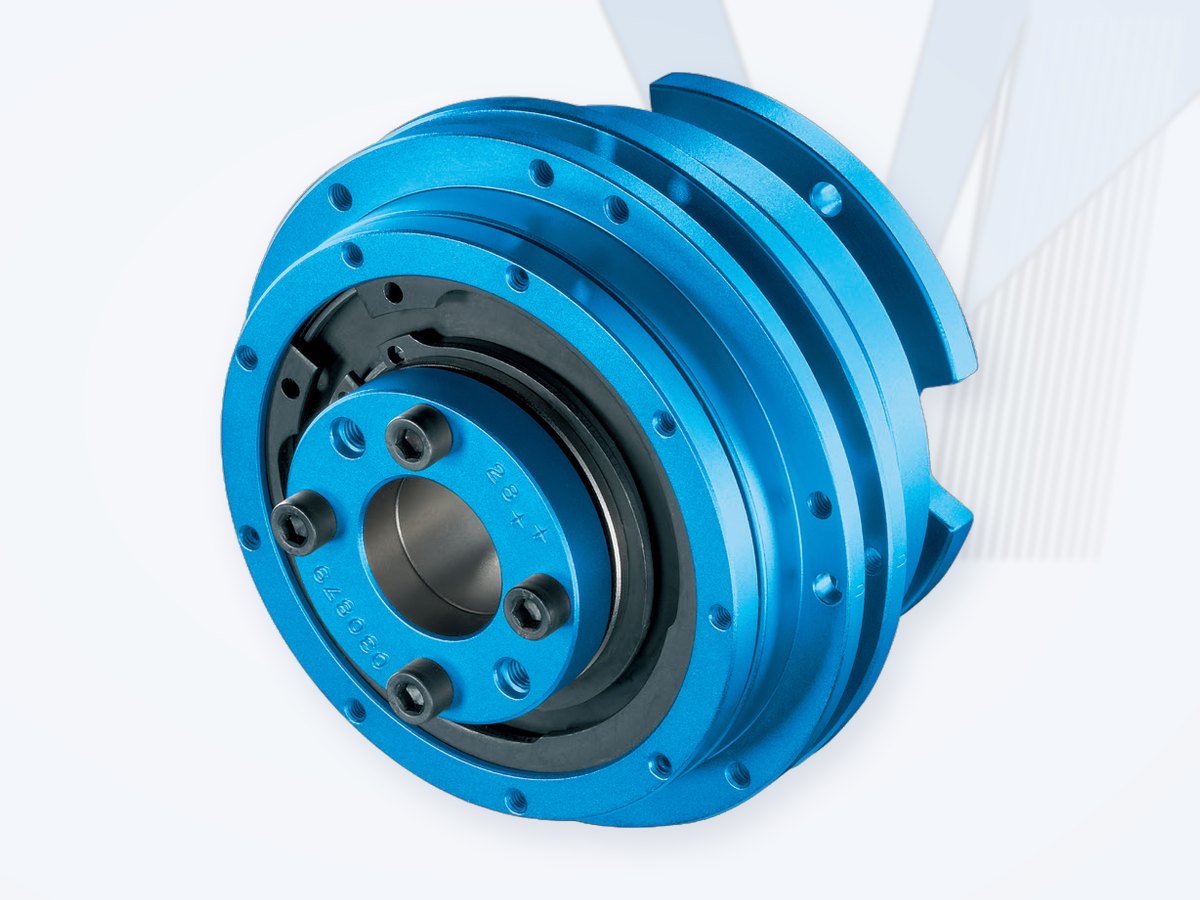
FLENDER ARPEX Safety Couplings
All-steel disc couplings combined with an overload protection function, limiting torque peaks to protect the drivetrain.
Request a Quote →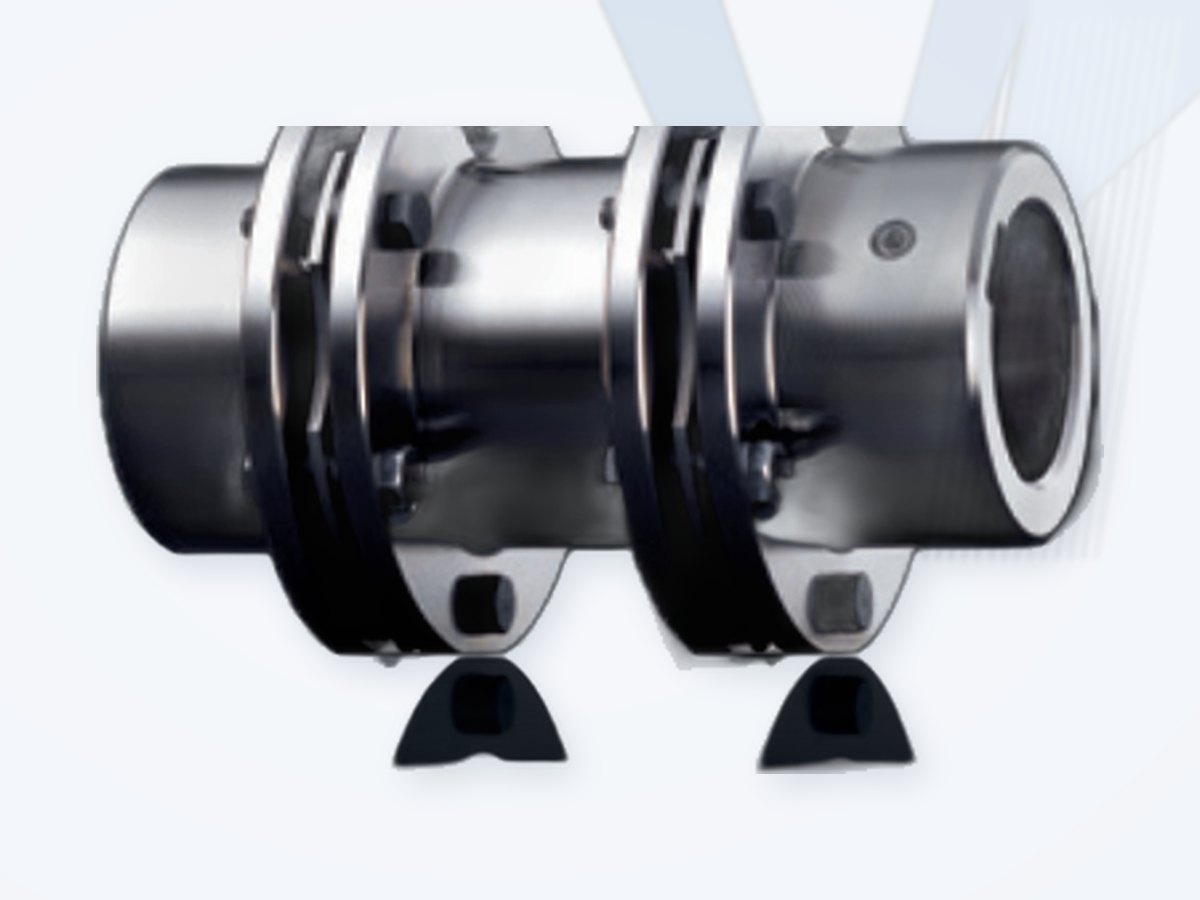
KTR RADEX-N
Steel laminae coupling series by KTR - torsionally stiff, maintenance-free and suitable for pumps, compressors and general industrial drives.
Request a Quote →KTR RIGIFLEX-N
Steel laminae coupling series by KTR for larger and heavy-duty drives; a distinct family from RADEX-N, selected by application, speed and configuration.
Request a Quote →John Crane Metastream
Metal membrane couplings (T Series TSK/TLK) with scalloped stainless-steel membranes in a cartridge transmission unit, for critical pumps, compressors and turbines.
View Product →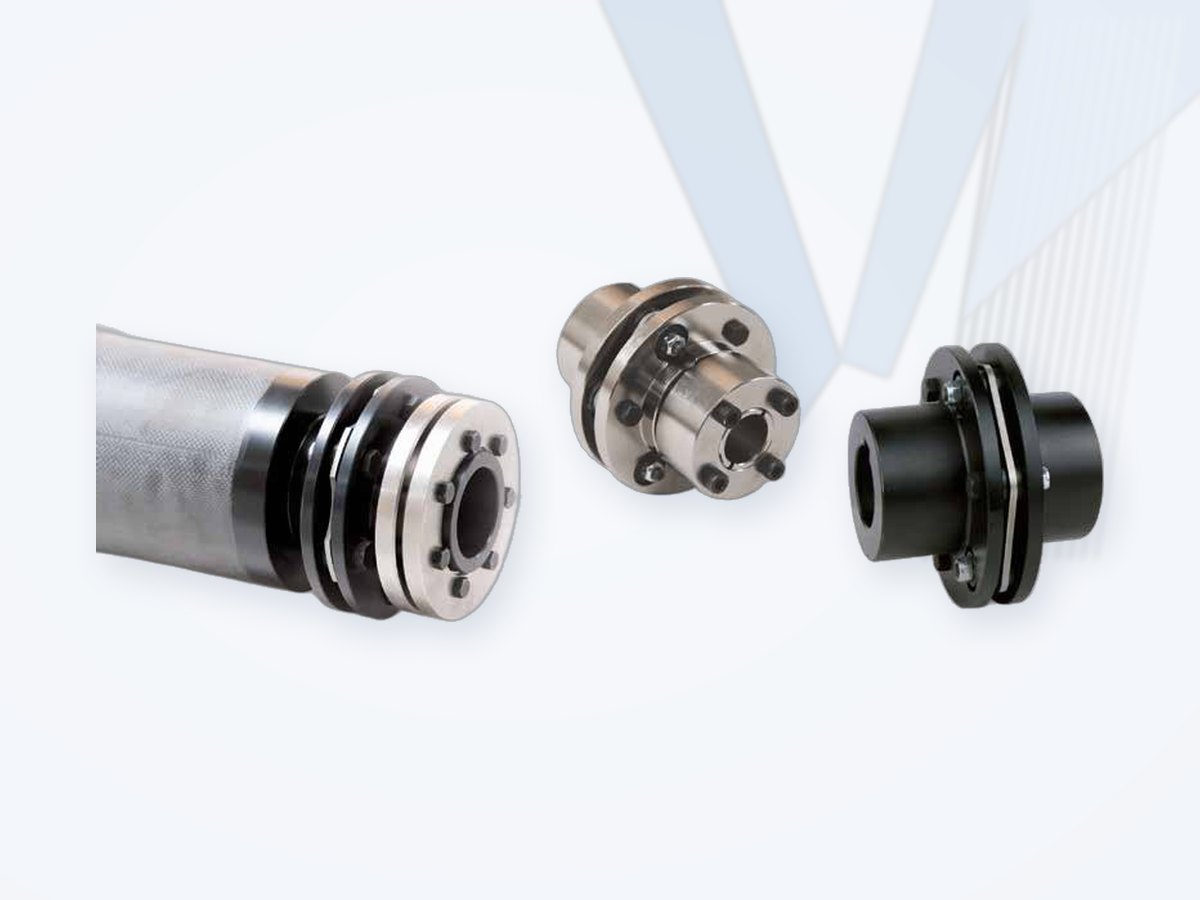
SIT METALDRIVE
All-steel disc couplings from SIT S.p.A. (Italy): single and double disc pack, shrink-disc, spacer and shaft executions (GMD series). Data on request.
Request a Quote →RU-STEEL Disc Couplings
Steel disc couplings from RU-STEEL (Italy) for industrial drives - series and technical data on request.
Request a Quote →What is a disc coupling?
A disc coupling is a metallic flexible shaft coupling that transmits torque through one or more packs of thin stainless-steel flexible elements. Elastic flexure of the metallic elements accommodates specified shaft misalignment while maintaining a positive, torsionally stiff torque path.
Disc couplings are widely used where high reliability, accurate torque transmission, high-speed capability, low routine maintenance and clean operation are important - including pumps, compressors, turbines, motors, generators, fans, process machinery and other rotating equipment.
A closely related special-purpose construction is the metal membrane coupling. The John Crane Metastream T Series uses scalloped stainless-steel flexible membranes in a cartridge transmission unit. MECHATRIC treats such designs within the broader metallic flexible-element engineering family while preserving the manufacturer's exact product terminology.
Disc and membrane couplings normally require no lubrication, but correct shaft alignment, bolt integrity, balance and installation practice remain essential.
How Metallic Flexible-Element Couplings Work
Torque passes from one hub through the flexible metallic elements, fasteners and spacer/transmission unit to the opposite hub. The flexible elements deform elastically to accommodate specified angular, axial and - in two-flex-plane arrangements - parallel/offset misalignment. Because the torque path is metallic and positively connected, these couplings can provide torsionally stiff, backlash-free or effectively zero-backlash operation when the exact design supports that claim.
Why Use a Disc or Membrane Coupling?
- No routine lubrication - metallic flexible elements eliminate the lubricated tooth or grid interface of gear/grid couplings.
- Torsional stiffness where accurate speed/phase transmission and drivetrain torsional behavior matter.
- Low imposed loads - well-designed flexible elements can minimize misalignment reaction forces.
- High-speed potential - precision-manufactured and balanced designs are widely used in critical rotating machinery.
- Maintenance-oriented spacer designs - removable transmission units simplify servicing of pumps and compressors.
- Corrosion and temperature options - stainless flexible elements and manufacturer-specific materials/coatings.
Main Disc / Membrane Coupling Configurations
| Configuration | Engineering purpose |
|---|---|
| Single-flex / single-plane | One flexible element set; primarily accommodates angular and axial movement at one flex plane. Parallel offset requires another flex plane or appropriate shaft arrangement. |
| Double-flex / two-plane | Two flexible element sets separated by a spacer or transmission section; accommodates angular, axial and parallel/offset movement within design limits. |
| Spacer coupling | Provides a defined DBSE for pump/compressor maintenance and can support removable transmission-unit concepts. |
| Cartridge / transmission unit | Preassembled central unit intended to simplify installation and preserve assembly integrity/balance; manufacturer-specific. |
| Close-coupled | Compact arrangement for short shaft separation where service access permits. |
| Special-purpose / API-oriented | Engineered package with project-specific balance, materials, retention/guarding, documentation, inspection and testing. |
| Torque-limiting / shear-pin option | Special design for overload protection where specified by the manufacturer. |
| Electrically insulated / special material | Electrical isolation, hazardous zones, low temperature or corrosion resistance, subject to exact product documentation. |
John Crane T Series - Engineering Reference
The John Crane Metastream TSK/TLK technical specification is a useful example of a special-purpose metal membrane coupling. It describes stainless-steel scalloped membranes, cartridge construction, overload collars, anti-fly retention, corrosion protection, self-locking hub fasteners and compression-bolt features for transmission-unit removal. The document states that the T Series meets API 610 (ISO 13709) and ISO 14691 and can be supplied to API 671 (ISO 10441) with exceptions. These statements are specific to that product family and are not generalized to all disc couplings.
MECHATRIC content rule: manufacturer-specific features are used as engineering reference points, not as universal characteristics of every disc coupling.
Typical Applications & Industries
Applications: centrifugal pumps, compressors, turbines, electric motors, generators, blowers, fans, mixers, process machinery and critical rotating-equipment trains.
Industries: oil & gas, petrochemical, chemical processing, power generation, water & wastewater, steel, mining, cement, marine and industrial OEM machinery.
Disc Coupling Selection - Engineering Method
A disc coupling should be selected from the complete drivetrain data, not from shaft diameter alone. The following sequence combines MECHATRIC's general selection framework with useful checks documented in the John Crane T Series specification.
| Step | Engineering check | Required information |
|---|---|---|
| 1 | Define transmitted power and speed | Actual/rated kW, operating rpm, normal torque and duty cycle. |
| 2 | Determine design rating / torque | Apply the selected manufacturer's service/application factor; verify continuous, peak, starting, reversing and transient torque. |
| 3 | Select configuration | Single-flex, double-flex, spacer, cartridge/removable transmission unit, close-coupled or special-purpose. |
| 4 | Check bore capacity | Driver/driven shaft diameters, keyway/spline/interference fit, hub type, hub length and allowable bore. |
| 5 | Define DBSE / shaft distance | Distance Between Shaft Ends is critical for spacer fit, parallel-offset capability, maintenance access and replacement. |
| 6 | Check speed and balance | Allowable speed for the exact size/hub configuration and whether dynamic balance improvement is required. |
| 7 | Check misalignment | Axial, angular and parallel/offset requirements, including interaction between simultaneous deflections. |
| 8 | Check dynamic properties | Torsional stiffness, mass, moment of inertia, center of gravity and restoring/reaction forces where relevant. |
| 9 | Check environment and options | Temperature, corrosion, hazardous area, insulation, special materials and overload-protection requirements. |
| 10 | Check standards and documentation | API 610 / ISO 13709, API 671 / ISO 10441, ISO 14691 or project specifications where applicable. |
Selection Formula - Manufacturer-Specific Example
The John Crane TSK/TLK document expresses its metric coupling rating as R = kW x 1,000 x SF / N, where R is the manufacturer's rating basis in kW per 1,000 rpm, SF the applicable service factor and N the speed in rpm. After rating selection, the document requires checks for bore capacity, peak torque, speed, dynamic balancing and DBSE.
This rating convention and its service-factor table are manufacturer-specific. For a generic selection, MECHATRIC uses the exact rating method and service factors of the candidate coupling manufacturer rather than transferring one supplier's table to another.
Service Factor
The T Series reference differentiates constant-torque, slight-fluctuation and substantial-fluctuation duties and notes that actual torque characteristics may justify a different service factor. It also identifies additional considerations for motor-through-gearbox and VFD/high-inertia applications. MECHATRIC treats service factor as an engineering input tied to the actual drivetrain, not as a universal fixed number.
Misalignment, Restoring Loads & Shaft Alignment
Correct shaft alignment is essential for reliable rotating-machinery performance. Flexible metallic elements accommodate movement by elastic deflection, but this deflection generates restoring forces and moments that can be transmitted to connected shafts and bearings.
The John Crane reference publishes axial capability, angular capability, equivalent thrust, angular restoring moment and parallel offset for individual sizes, and warns that simultaneous axial and angular deflection interact: maximum capability in one direction can reduce capability in the other.
Do not add the maximum axial, angular and parallel values independently. Combined misalignment must be checked using the selected manufacturer's rules and the actual DBSE/configuration.
DBSE and Parallel Offset
In a two-flex-plane spacer arrangement, greater distance between flex planes can increase geometric parallel-offset capability for a given angular deflection. However, longer DBSE also changes mass, inertia, balance and rotor-dynamic behavior, so it must be engineered rather than treated as a simple dimensional extension.
Balance & High-Speed Operation
Precision manufacturing can provide a high inherent balance, but high-speed service may still require dynamic balance improvement. The John Crane T Series reference identifies AGMA 9000-D11 class 9 inherent balance and provides a speed/rating guide for when balance improvement may be required. Verify the balance requirement for the complete assembly, including hubs after final bore/keyway machining. High-speed suitability is never inferred from coupling type alone.
Safety & Retention Features
Special-purpose metallic flexible-element couplings may incorporate features intended to control failure consequences - for example overload collars to protect flexible membranes under severe torsional overload and anti-fly guard rings to retain components in the unlikely event of membrane/bolt failure. Their presence, design intent and certification are manufacturer-specific and are recorded as structured product attributes when documented.
Maintenance & Installation
- No lubrication does not mean no inspection: check fasteners, flexible elements, hubs, spacer/transmission unit, corrosion and evidence of abnormal movement.
- Preserve match marks, balance integrity and manufacturer assembly orientation where specified.
- Use the correct bolt tightening method and torque values for the exact product.
- Verify shaft alignment after installation and after significant machinery maintenance.
- For cartridge/removable transmission units, confirm removal clearance and compression/removal features before finalizing DBSE.
API 610, API 671 and Critical-Service Couplings
API 610 / ISO 13709 requirements may apply to couplings supplied as part of centrifugal-pump packages, while API 671 / ISO 10441 addresses special-purpose couplings used in critical rotating-equipment services. A coupling must be assessed as a complete engineered package - not merely by identifying it as a disc or membrane design. The review may include continuous and peak torque, speed, spacer arrangement, balance, materials, shaft fits, flexible-element stresses, misalignment/restoring loads, mass properties, torsional stiffness, retention/guarding features, inspection/testing and project documentation.
Manufacturer compliance language is preserved exactly - for example, the T Series is described as meeting API 610 / ISO 13709 and ISO 14691, and as available to API 671 / ISO 10441 with exceptions.
MECHATRIC never publishes "API 671 compliant" or "API 610 compliant" for an alternative coupling unless the exact series, configuration and project requirements have been verified.
How to Select an Equivalent or Replacement Disc Coupling
A replacement is not established merely by matching nominal torque, bore diameter or DBSE. MECHATRIC first identifies the installed coupling and then evaluates functional, dimensional, dynamic and project-specification compatibility.
| Parameter to match | Why it matters |
|---|---|
| Continuous and peak/overload torque | Prevents under-sizing during steady, starting, transient or upset conditions. |
| Maximum operating speed | Critical for centrifugal stress, balance and rotor dynamics. |
| Bores, fits and hub configuration | Must suit both shafts and the required attachment method. |
| DBSE / spacer / removal envelope | Determines physical fit and maintenance accessibility. |
| Axial, angular and parallel capability | Must satisfy actual movement, including combined-deflection limits. |
| Restoring forces/moments | Can affect bearings, seals and shaft loads in connected machinery. |
| Torsional stiffness | Can alter drivetrain torsional natural frequencies and response. |
| Mass and moment of inertia | Influence acceleration, bearing loads and rotor-dynamic behavior. |
| Balance quality | Essential for high-speed and critical rotating machinery. |
| Materials / temperature / corrosion | Must suit process, ambient and hazardous-area requirements. |
| Safety / retention / overload features | May be required by critical-service design or project specification. |
| Standards / documentation | Mechanical fit alone does not establish API/project equivalence. |
MECHATRIC Interchange Classification
- Direct Interchange - exact engineering verification supports direct replacement for the specified coupling and application.
- Dimensionally Compatible - physical/interface compatibility is verified, but duty, dynamics and project requirements still require confirmation.
- Functionally Equivalent - meets the required function but may differ in dimensions, stiffness, mass, maintenance or installation details.
- Engineering Review Required - a candidate has been identified but has not yet been approved as a verified interchange.
Reference Disc / Metallic Flexible-Element Families
Engineering comparison may include established families such as FLENDER ARPEX / N-ARPEX, KTR RADEX-N, KTR RIGIFLEX-N, John Crane Metastream and other qualified metallic flexible-element designs. Family names are reference points for technical comparison and are not automatically interchangeable. John Crane TSK/TLK is especially useful as a reference for cartridge-style metal membrane concepts, critical-process applications, balance, DBSE, restoring loads, API-oriented design and special options; its detailed ratings and dimensions remain product-specific.
Disc vs Membrane vs Gear vs Grid
| Type | General characteristic | Key engineering consideration |
|---|---|---|
| Disc | Thin metallic disc packs; lubrication-free; torsionally stiff. | Disc-pack stress, bolt integrity, DBSE, misalignment interaction, balance and dynamics. |
| Metal membrane | Shaped/scalloped metallic membranes; same broad flexible-metal principle but distinct proprietary geometry. | Use the exact manufacturer's membrane terminology, ratings, restoring loads and safety features. |
| Gear | Lubricated toothed engagement; high torque density. | Lubrication, tooth wear, backlash/clearance, alignment and maintenance. |
| Grid | Lubricated metallic grid; torsionally resilient. | Shock cushioning, lubrication, grid/cover condition and service factor. |
Special options captured in product data (where supported by manufacturer documentation): hazardous-zone/spark-resistant construction, low-temperature or corrosion-resistant materials, electrical insulation, taper-shaft adjustment features, axially rigid construction, torque-limiting/shear-pin options, special hub configurations and certified balance requirements.
Information Required for Selection / RFQ
| Data group | Information to provide |
|---|---|
| Driver | Motor/turbine/engine; rated and actual kW; base/maximum speed; VFD where applicable. |
| Driven machine | Pump, compressor, fan, mixer, generator, gearbox or other equipment; criticality and service. |
| Duty | Continuous/intermittent; torque fluctuation; starts/stops; reversing; peak/overload events. |
| Torque & speed | Normal, design and peak torque; operating and maximum rpm. |
| Shaft interface | Driver/driven shaft diameters; keys/splines; interference/clearance fit; hub length and taper details. |
| Geometry | DBSE; overall envelope; guard clearance; spacer removal requirements; mounting orientation. |
| Misalignment | Required axial, angular and parallel/offset movement; thermal growth; expected shaft displacement. |
| Dynamic data | Torsional stiffness requirement; mass/inertia; center of gravity; balance class/grade; lateral/torsional study inputs if required. |
| Environment | Temperature, corrosion, moisture, hazardous area and special material/coating requirements. |
| Standards | API 610 / ISO 13709, API 671 / ISO 10441, ISO 14691 or other project specifications. |
| Existing coupling | Manufacturer, family, size/model, drawings, nameplate, hub bores, DBSE, photographs and failure/maintenance history. |
Leading Manufacturers Worldwide
Well-known European, American and Asian (Japanese and Korean) manufacturers of disc couplings.
| Manufacturer | Country | Product focus |
|---|---|---|
| FLENDER | Germany | N-EUPEX, RUPEX, ELPEX, ARPEX, ZAPEX, FLUDEX couplings; industrial gear units |
| KTR Systems | Germany | ROTEX, BoWex, RADEX-N couplings; CLAMPEX locking devices; brakes |
| SIT S.p.A. | Italy | Flexible, disc, gear and zero-backlash couplings; pulleys, belts, SIT-LOCK, taper bushes |
| RU-STEEL | Italy | Steel disc couplings |
| John Crane | United Kingdom | Metastream disc couplings |
| Regal Rexnord (Falk, Kop-Flex, Thomas, Rexnord) | USA | Grid, gear and disc couplings; gear drives; backstops; roller chain |
| Ameridrives (Regal Rexnord) | USA | Gear and disc couplings |
| TB Wood's (Regal Rexnord) | USA | Couplings, sheaves, bushings |
| Miki Pulley | Japan | Precision couplings, electromagnetic brakes |
| NBK (Nabeya Bi-tech) | Japan | Precision and zero-backlash couplings |
Listed for market information only. Brand names belong to their owners; their mention does not imply that MECHATRIC represents, distributes for or is authorized by these manufacturers. Product availability and equivalents are confirmed per enquiry.
Need help selecting or replacing a disc coupling?
MECHATRIC supports new disc-coupling selection, critical-service application review, API/project requirement assessment, technical cross-reference, replacement/interchange evaluation, DBSE and spacer review, RFQ preparation and engineering assessment of alternative metallic flexible-element solutions.
Engineering reference: John Crane Metastream T Series Metal Membrane Couplings, Type TSK/TLK, Technical Specification TD-TSK/TLK (revised 3/20). Exact ratings, dimensions, service factors, balance, misalignment, restoring loads, options, standards, certifications, safety features and interchangeability must be verified for the selected manufacturer, series, size and application. Brand/family names are used for technical identification and comparison and do not by themselves imply representation, authorization or commercial partnership.
Frequently Asked Questions
What is a disc coupling?
A metallic flexible shaft coupling that transmits torque through packs of thin stainless-steel flexible elements while accommodating specified shaft misalignment.
What is the main advantage of a disc coupling?
It combines a positive metallic torque path with elastic misalignment accommodation and normally requires no lubrication.
Is a metal membrane coupling the same as a disc coupling?
They belong to the broader metallic flexible-element family, but their flexible-element geometry and manufacturer terminology can differ. For product data and replacement work, the exact design type is preserved.
Does a disc coupling have zero backlash?
Many positively bolted metallic flexible-element designs are effectively backlash-free, and some manufacturers explicitly claim zero backlash. The claim should be verified for the exact product.
Can maximum axial and angular misalignment be used at the same time?
Not necessarily. Manufacturer data may derate one capability when the other is present; combined-deflection rules must be checked.
When is dynamic balancing required?
It depends on coupling size, operating speed, assembly construction, hub machining and project requirements. Use the manufacturer's balance guidance and the critical-machinery specification.
Can a John Crane T Series coupling be replaced by another disc coupling?
Potentially, but only after torque, speed, bores, DBSE, misalignment/restoring loads, stiffness, inertia, balance, materials, safety features and API/project requirements are reviewed.