
V-Belts
Classical, narrow wedge, cogged, banded and variable-speed V-belts - section identification, selection and replacement support.
Industrial V-Belts
Classical, narrow wedge, moulded-cog, banded and variable-speed V-belts for industrial drives. MECHATRIC supports belt section identification, drive selection, replacement and RFQ preparation.
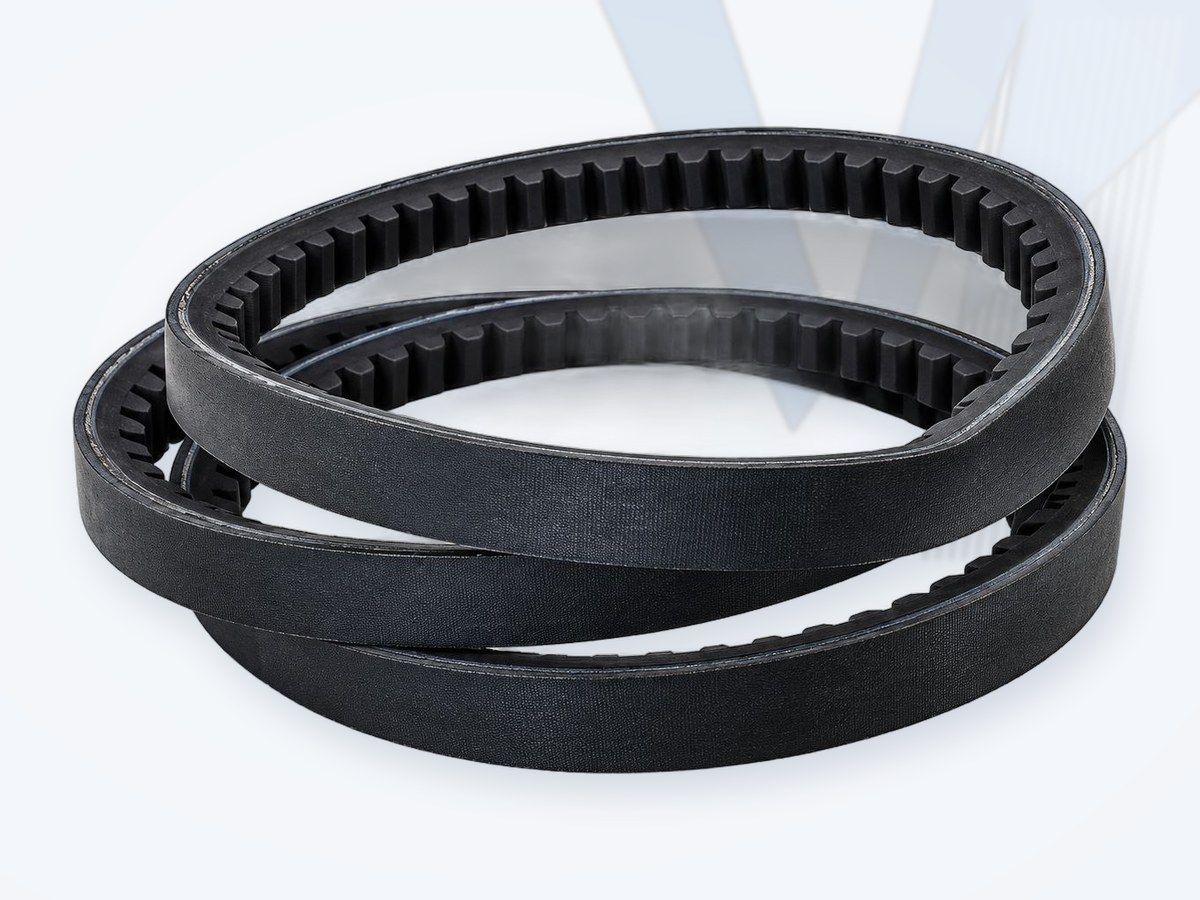
V-Belt Families (SIT S.p.A. reference range)
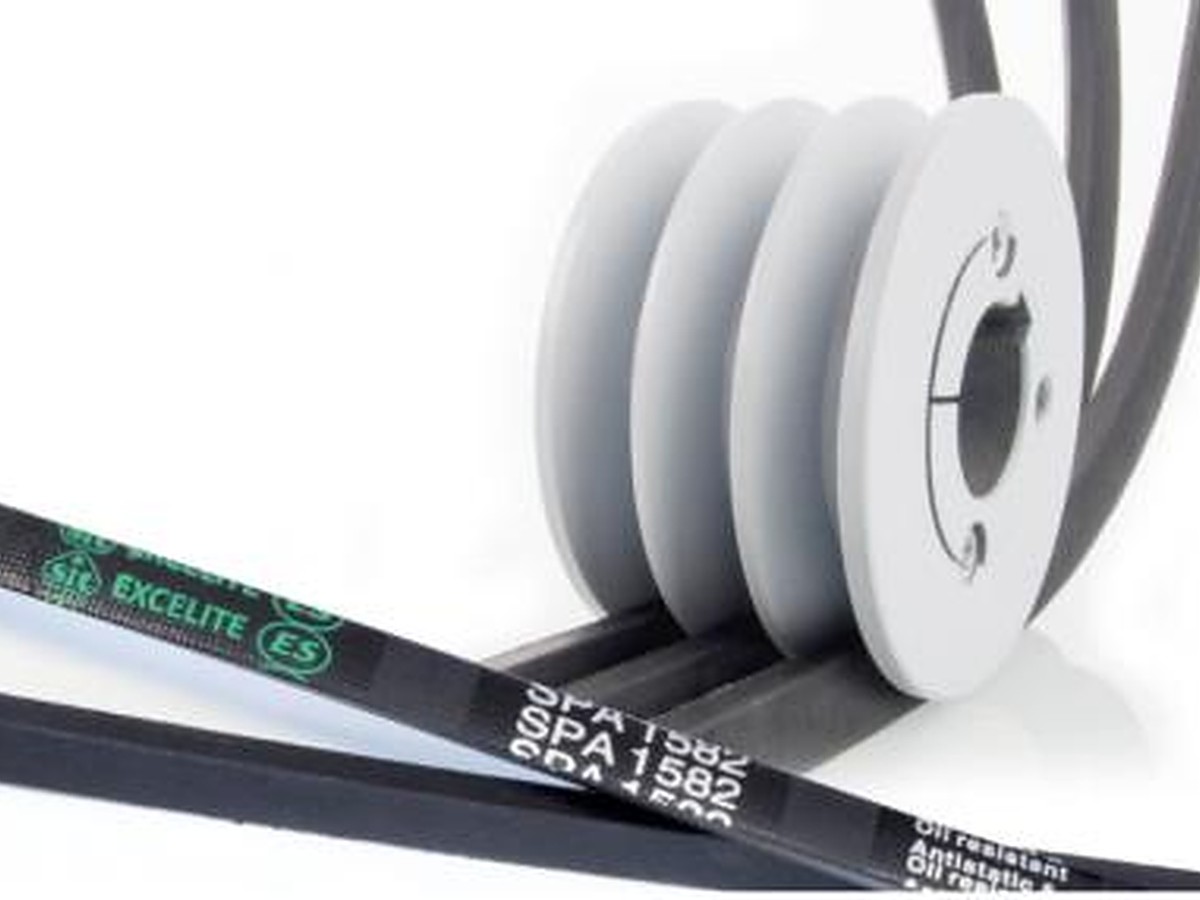
EXCELITE ES - Classical
Wrapped classical belts Z, A, B, C, D to ISO 4184 / DIN 2215; Precision Matched lengths.
View Details →EXCELITE ES - Narrow
Wrapped narrow wedge belts SPZ, SPA, SPB, SPC to ISO 4184 / DIN 7753 for compact heavy-duty drives.
View Details →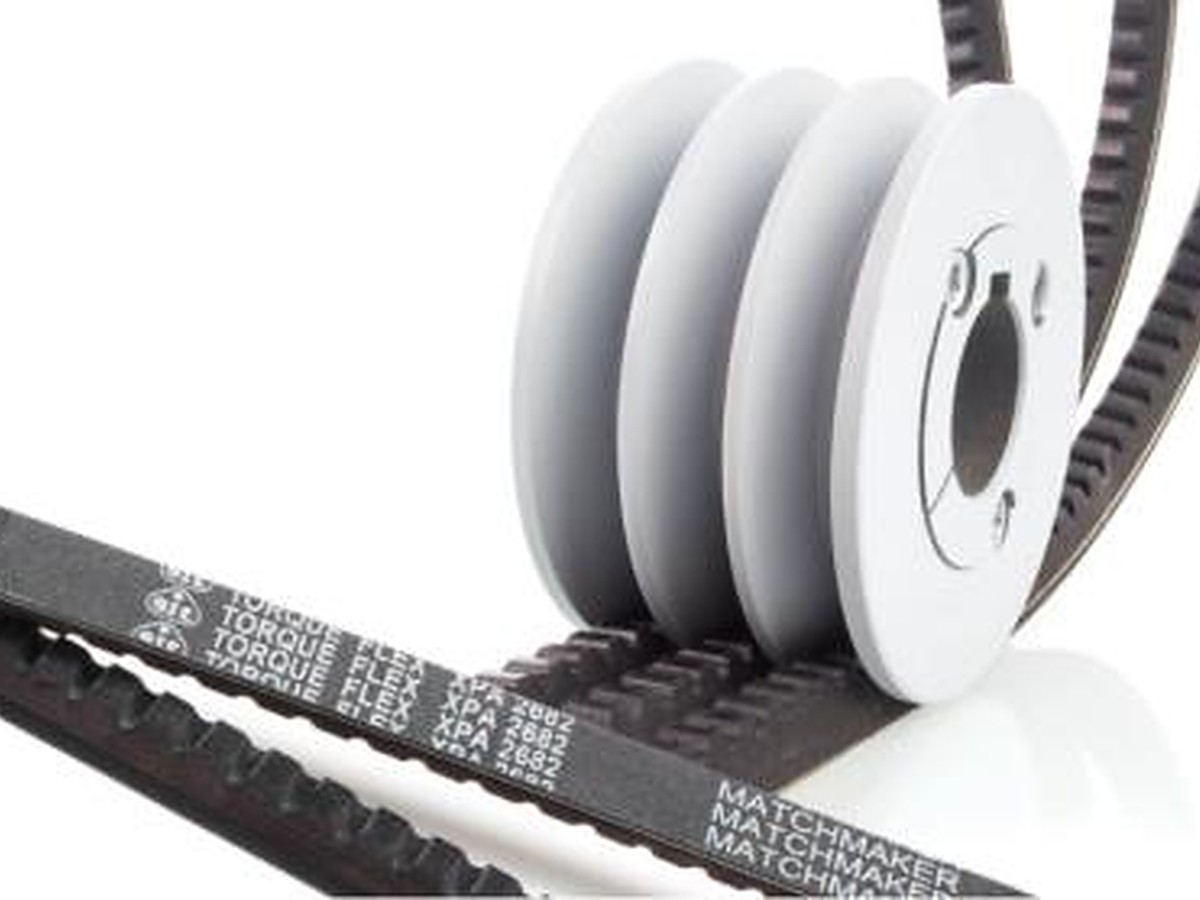
TORQUE-FLEX - Classical
Raw-edge moulded-cog belts ZX, AX, BX, CX for small pulleys and high speeds.
View Details →TORQUE-FLEX - Narrow XP
Raw-edge moulded-cog narrow belts XPZ, XPA, XPB, XPC for compact high-power drives.
View Details →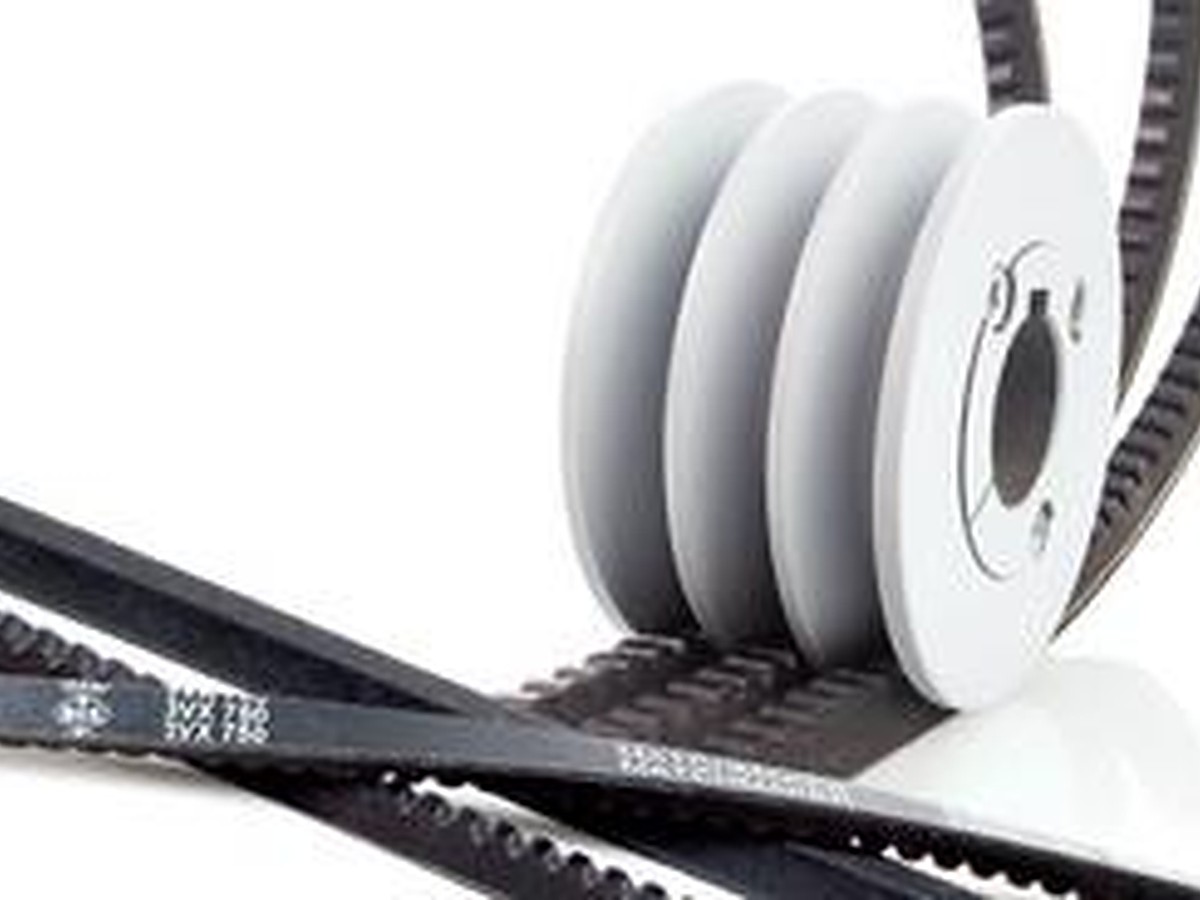
WEDGE - RMA
American-standard narrow belts 3V, 5V, 8V and cogged 3VX, 5VX (RMA / MPTA).
View Details →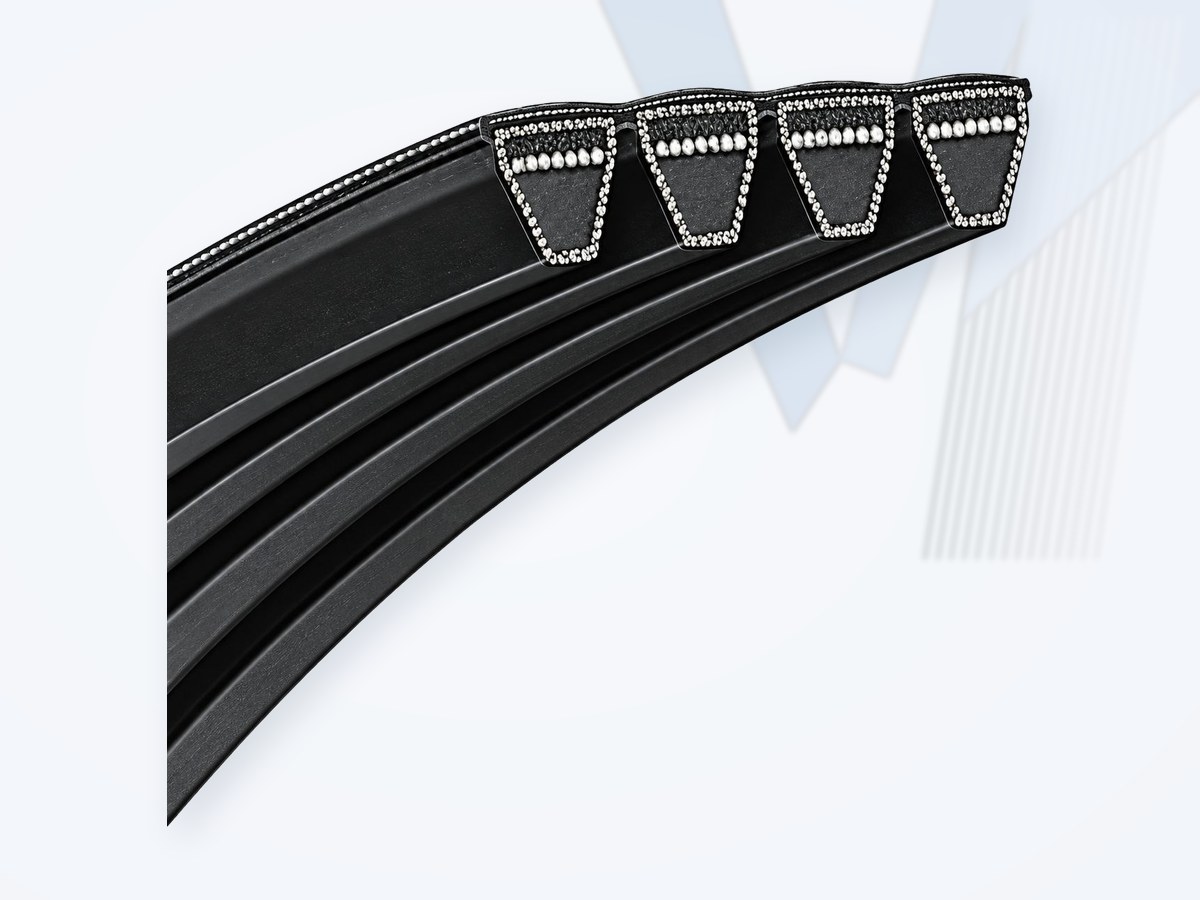
BANDED Belts
Joined multi-rib belts (ISO narrow, classical and RMA wedge) for pulsating and shock loads; aramid-cord 5VF / 8VF versions.
View Details →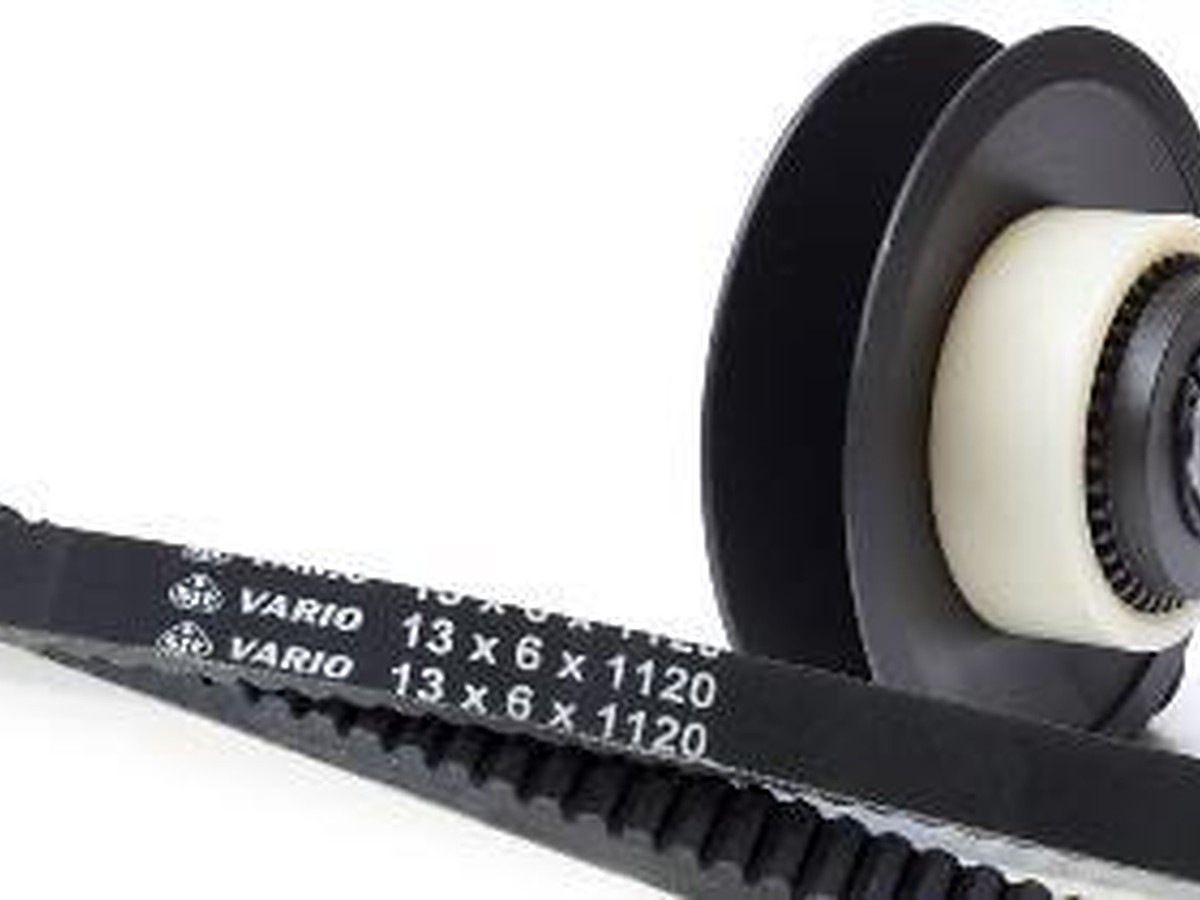
VARIO - Variable Speed
Wide cogged belts for variable-speed pulley drives, sections 13x6 up to 70x20 mm.
View Details →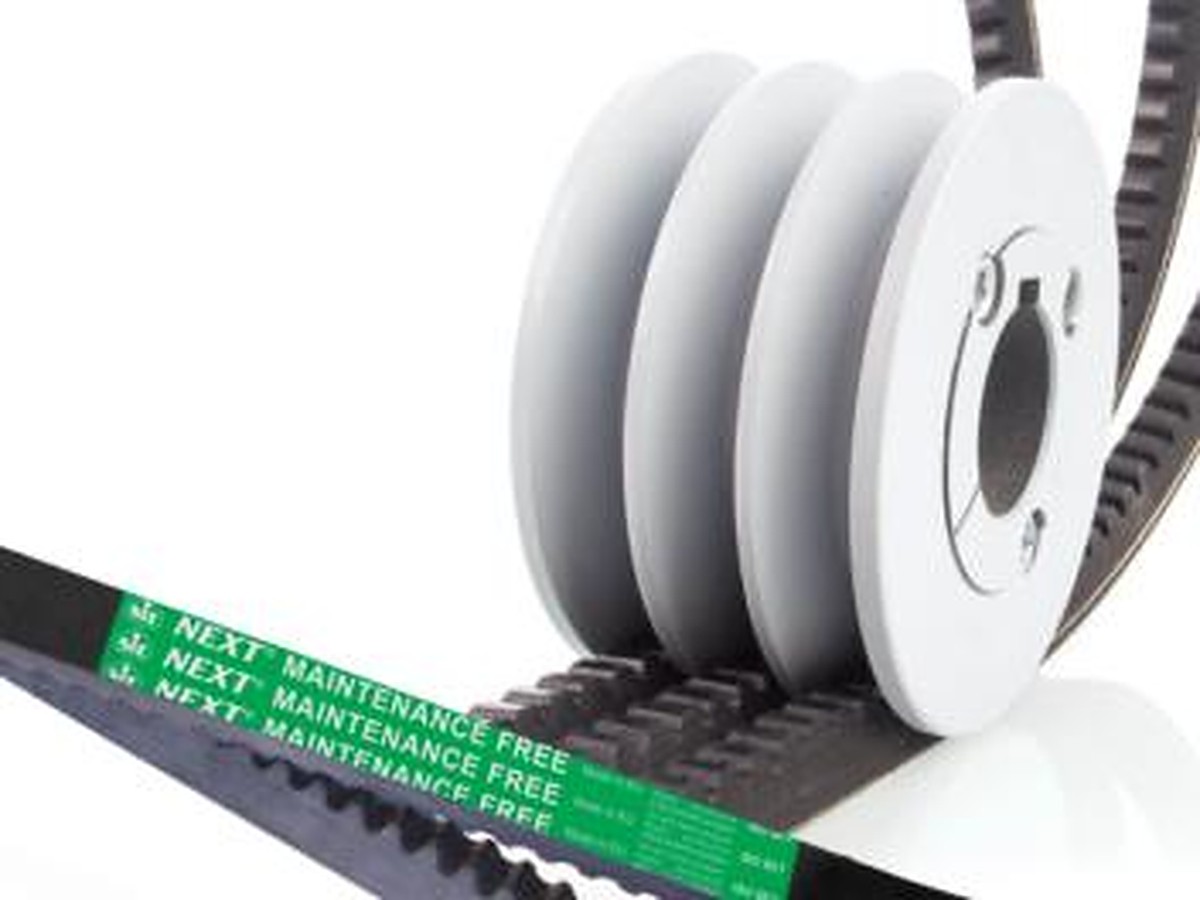
NEXT - Premium Raw Edge
Premium raw-edge cogged belts XPZ-XPC with EPDM compound; -40...+130 °C, maintenance free.
View Details →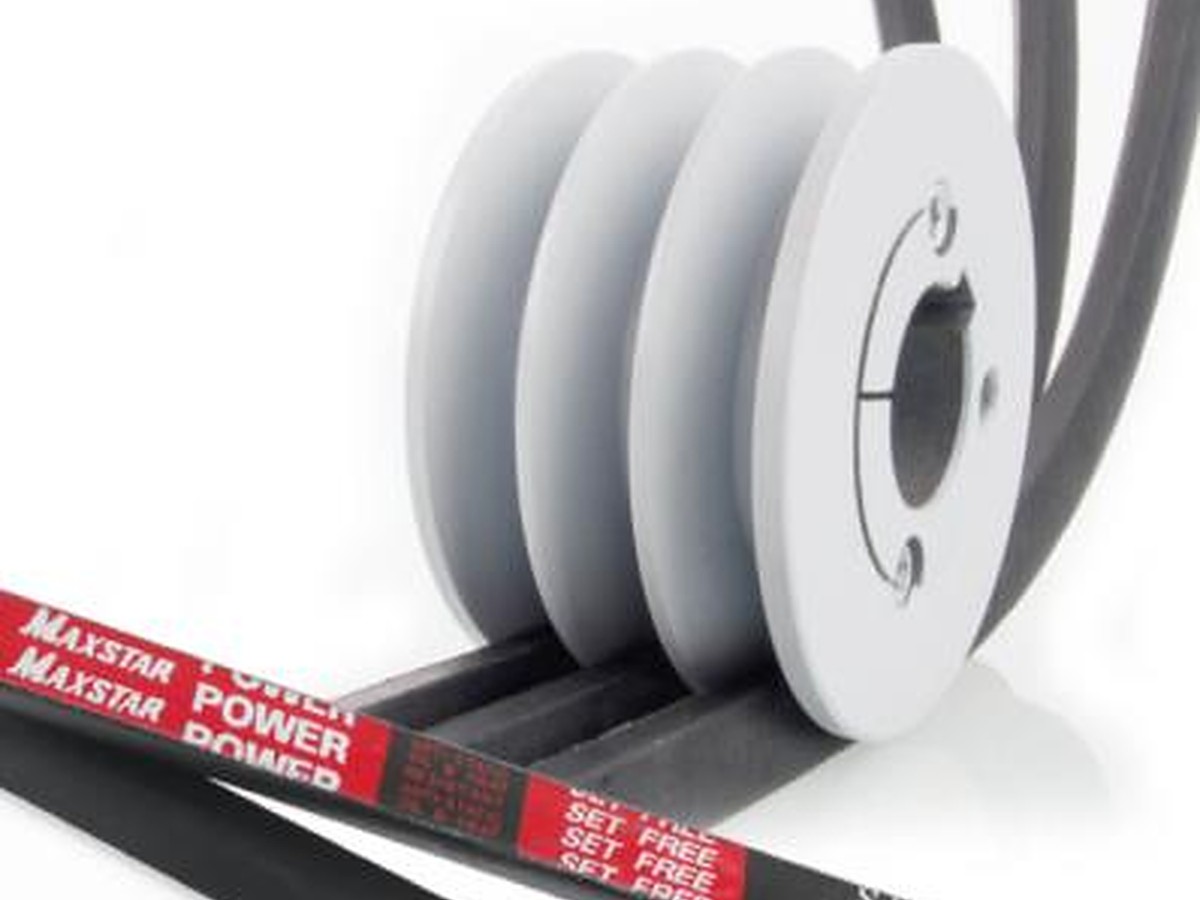
MAXSTAR POWER - Premium Envelope
Premium wrapped narrow belts SPA-SPC, HMLS polyester cord; increased power rating, set free.
View Details →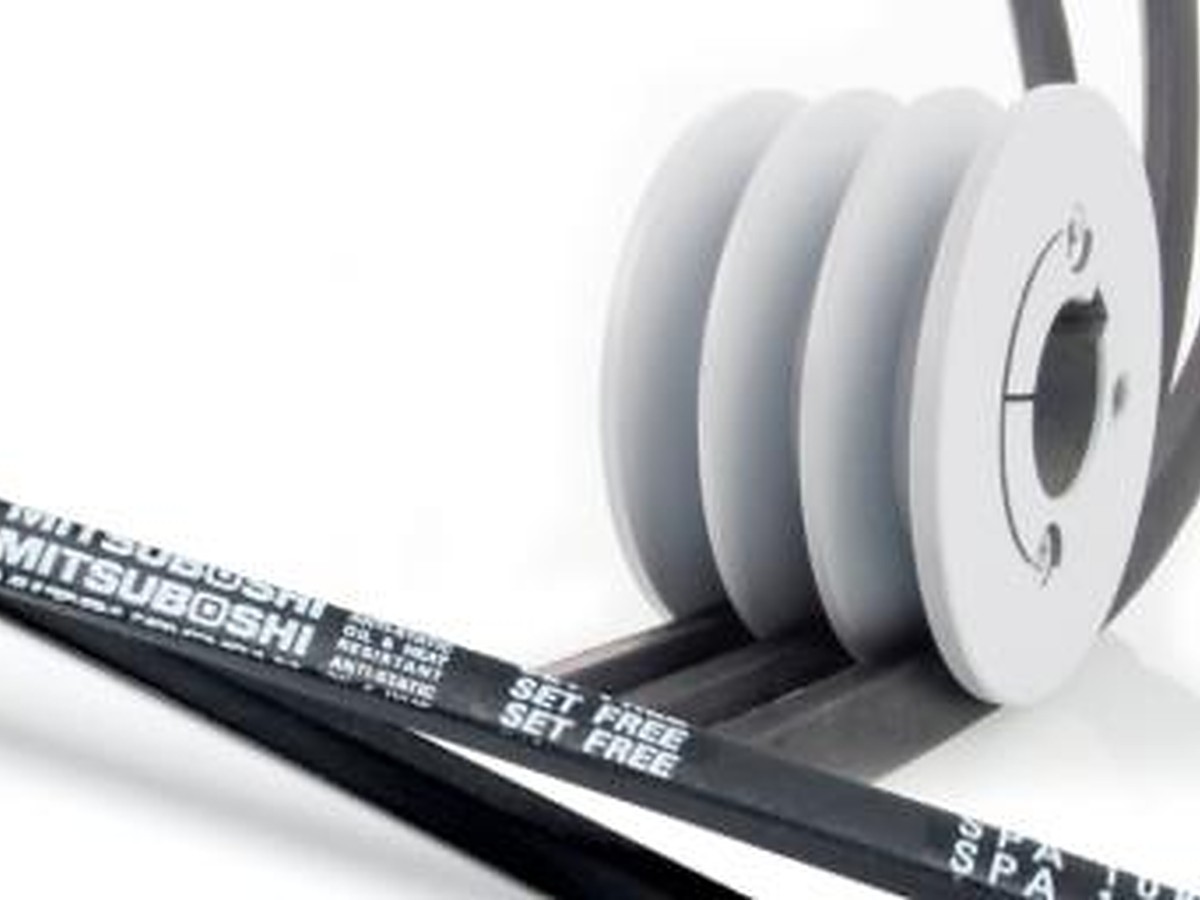
MAXSTAR - High Performance Envelope
High-performance wrapped belts, classical Z-D and narrow SPZ-SPC; lengths up to 15,240 mm.
View Details →What is a V-belt?
A V-belt is a rubber drive belt with a trapezoidal cross-section that runs in the grooves of V-belt pulleys. Under tension the belt wedges into the groove, and the friction on the groove flanks transmits power between the shafts.
V-belts are a cost-effective, quiet and efficient choice when exact synchronisation is not required - for example on compressors, fans, pumps, mills, mixers, crushers, woodworking and textile machines.
Belts are identified by section and length. Classical sections (Z, A, B, C, D), narrow wedge sections (SPZ, SPA, SPB, SPC) and American RMA sections (3V, 5V, 8V) have different dimensions and power ratings, so the section must always be confirmed together with the pulley groove.
SIT V-Belt Range vs Other Brands
SIT groups its rubber V-belts in three tiers - Premium, Performance and Standard. The tables show the series SIT positions against other major brands, to help compare offers and plan replacements.
Wrapped (envelope) V-belts
| Tier | SIT | Gates | Optibelt | Megadyne | Contitech |
|---|---|---|---|---|---|
| Premium | MAXSTAR POWER | - | RED POWER 3 | - | ADVANCE |
| Performance | MAXSTAR | SUPER HC / HI-POWER | SK / VB | OLEOSTATIC GOLD / OLEOSTATIC | CONTI V |
| Standard | EXCELITE ES | DELTA NARROW / DELTA CLASSIC | - | EXTRA | POWERSPAN CL |
Market positioning as published by SIT Drive Solutions (Belt Drives Offering - Range, May 27, 2023) - for orientation when comparing offers. A listed series is not automatically a direct interchange: confirm section, length designation, power rating and operating limits before replacement. Gates, Optibelt, Megadyne and Contitech are registered trademarks of their respective owners.
Raw-edge cogged V-belts
| Tier | SIT | Gates | Optibelt | Megadyne | Contitech |
|---|---|---|---|---|---|
| Premium | NEXT | QUAD POWER 4 | SUPER XE-POWER PRO | LINEA GOLD | PIONEER |
| Performance | TORQUE-FLEX | SUPER HC MN / TRI-POWER | SUPER X-POWER / SUPER TX | LINEA X | CONTI V-FO |
Market positioning as published by SIT Drive Solutions (Belt Drives Offering - Range, May 27, 2023) - for orientation when comparing offers. A listed series is not automatically a direct interchange: confirm section, length designation, power rating and operating limits before replacement. Gates, Optibelt, Megadyne and Contitech are registered trademarks of their respective owners.
Always replace belts on a multi-belt drive as a matched set, and check the pulley grooves for wear at the same time.
How a V-Belt Drive Works
Belt tension presses the belt flanks into the pulley groove. The wedge effect multiplies the normal force, so a V-belt transmits much more power than a flat belt of similar width. The belt must ride on the groove flanks and never on the groove bottom.
Narrow wedge sections carry more power per belt than classical sections of similar top width, allowing smaller and lighter drives. Moulded-cog (raw-edge) belts bend more easily, so they run cooler on small pulleys and at higher speeds. Banded belts join several belts with a common top layer to prevent belts turning over or jumping off under shock and pulsating loads.
Typical Benefits
- Cost effective and widely available standard sections.
- Quiet and efficient with no lubrication.
- Shock tolerant - controlled slip protects the drive.
- Flexible design - wide range of ratios, centre distances and powers.
- Simple maintenance - tension check and periodic replacement.
Common Belt Sections
| Family | Sections | Top width x height (mm) | Standard |
|---|---|---|---|
| Classical | Z, A, B, C, D | 10x6, 13x8, 16x11, 22x14, 32x20 | ISO 4184 / DIN 2215 |
| Narrow wedge | SPZ, SPA, SPB, SPC | 10x8, 13x10, 16x13, 22x18 | ISO 4184 / DIN 7753 |
| Classical cogged | ZX, AX, BX, CX | 10x6, 13x8, 17x11, 22x14 | ISO 4184 / DIN 7753 |
| Narrow cogged | XPZ, XPA, XPB, XPC | 10x8, 13x10, 16x13, 22x18 | ISO 4184 / DIN 7753 |
| RMA wedge | 3V, 5V, 8V (3VX, 5VX cogged) | 10x8, 16x13, 25.4x23 | RMA / MPTA |
Section dimensions as published in the SIT V-belt engineering manual.
V-Belt Drive Selection - Engineering Procedure
Define the drive data
Motor power, driver and driven speeds, daily operating hours, starts and shock conditions.
Determine design power
Design power = transmitted power x service factor, using the belt manufacturer's service-factor table for the driver and driven machine.
Select the belt section
From the design power and the speed of the faster shaft, using the manufacturer's section-selection chart.
Select pulley diameters
Respect the minimum pulley diameter for the section; larger pulleys increase belt life and reduce the number of belts.
Calculate belt length and centre distance
Choose the nearest standard length and allow adjustment for installation and tensioning.
Determine the number of belts
Design power divided by the corrected power rating per belt (length and arc-of-contact factors).
Check tension and alignment
Install with the specified tension and pulleys aligned in one plane; re-check after running-in.
Replacement & Interchange
To replace a V-belt, read the marking on the existing belt (section and length) and confirm the length system: classical belts are often marked by inside length, narrow and RMA belts by datum or effective length. A classical belt in a narrow-wedge groove, or the reverse, is not a direct replacement without checking the groove.
- Direct Interchange - same section, length system and length; matched set verified.
- Dimensionally Compatible - fits the groove and length; power rating still to be checked.
- Functionally Equivalent - e.g. cogged belt replacing a wrapped belt to reduce the number of belts, after a drive check.
- Engineering Review Required - candidate identified, not yet verified.
Information Required for Selection / RFQ
| Data group | Information to provide |
|---|---|
| Existing belt | Marking (section and length), brand, number of belts per drive, photos. |
| Drive data | Power, speeds, pulley diameters, centre distance, operating hours and shock. |
| Environment | Temperature, oil, dust, moisture; static-conductive requirement. |
| Quantity | Number of sets and delivery schedule. |
Leading Manufacturers Worldwide
Well-known European, American and Asian (Japanese and Korean) manufacturers of v-belts.
| Manufacturer | Country | Product focus |
|---|---|---|
| ContiTech (Continental) | Germany | V-belts, timing and PU belts |
| Optibelt | Germany | V-belts, timing belts, pulleys |
| SIT S.p.A. | Italy | Flexible, disc, gear and zero-backlash couplings; pulleys, belts, SIT-LOCK, taper bushes |
| Megadyne / Elatech | Italy | Rubber and polyurethane belts |
| Fenner Drives | United Kingdom | Taper-Lock bushes, pulleys, couplings, keyless bushings |
| Gates | USA | V-belts, synchronous belts, pulleys, tension meters |
| Bando Chemical | Japan | V-belts, timing and PU belts |
| Mitsuboshi Belting | Japan | V-belts and timing belts |
| DRB (Dongil Rubber Belt) | Korea | Industrial belts |
Listed for market information only. Brand names belong to their owners; their mention does not imply that MECHATRIC represents, distributes for or is authorized by these manufacturers. Product availability and equivalents are confirmed per enquiry.
Need V-belts or a belt drive review?
Send the belt marking or drive data. MECHATRIC will confirm the section and length and propose matching belts and pulleys.
Engineering reference: SIT S.p.A. rubber V-belts engineering manual. Power ratings, service factors, lengths, temperature limits and availability must be verified against the manufacturer's current documentation for the selected belt. Brand and family names are used for technical identification and do not by themselves imply representation, authorization or commercial partnership.
Frequently Asked Questions
What is a V-belt?
A rubber drive belt with a trapezoidal section that transmits power by wedging into the grooves of V-belt pulleys.
What is the difference between SPA and A belts?
SPA is a narrow wedge section and A a classical section with the same top width but a different height and power rating. They need matching pulley grooves.
What are cogged (XPA, AX) belts used for?
Moulded cogs make the belt more flexible, so it runs cooler on small pulleys and at higher speeds, and can often transmit more power per belt.
Should all belts on a drive be replaced together?
Yes. Mixing new and used belts overloads the shorter belts. Use a matched set and check pulley grooves for wear.
What information is needed for a quote?
The belt marking (section and length) and quantity, or the drive data and pulley sizes if the belt marking is not readable.