
Timing / Synchronous Belts
HTD, high-performance, STD-type and imperial synchronous belts, including double-sided versions - selection and replacement support.
Industrial Timing Belts
Synchronous belts in HTD, high-performance curvilinear, STD-type and imperial trapezoidal profiles, including double-sided versions. MECHATRIC supports profile identification, drive selection, replacement and RFQ preparation.
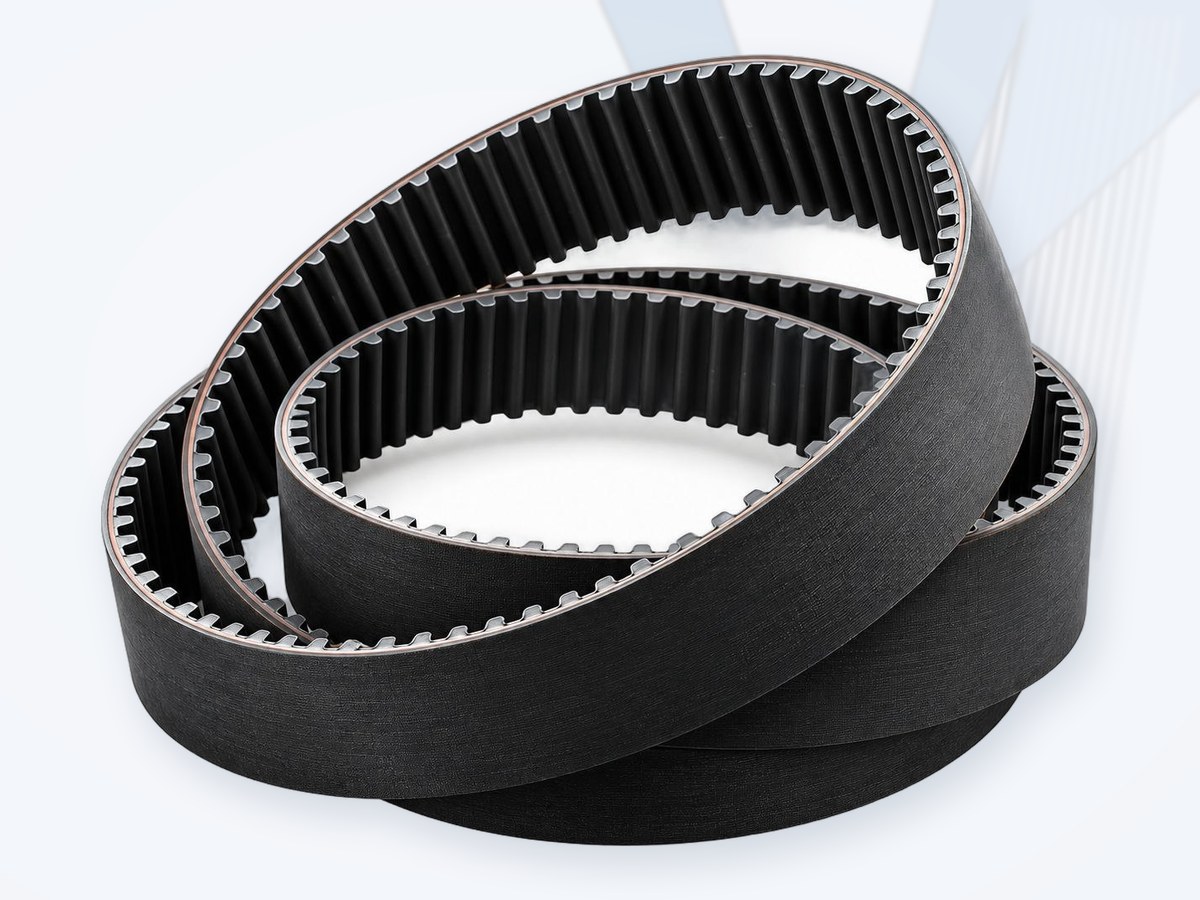
Timing Belt Families (SIT S.p.A. reference range)
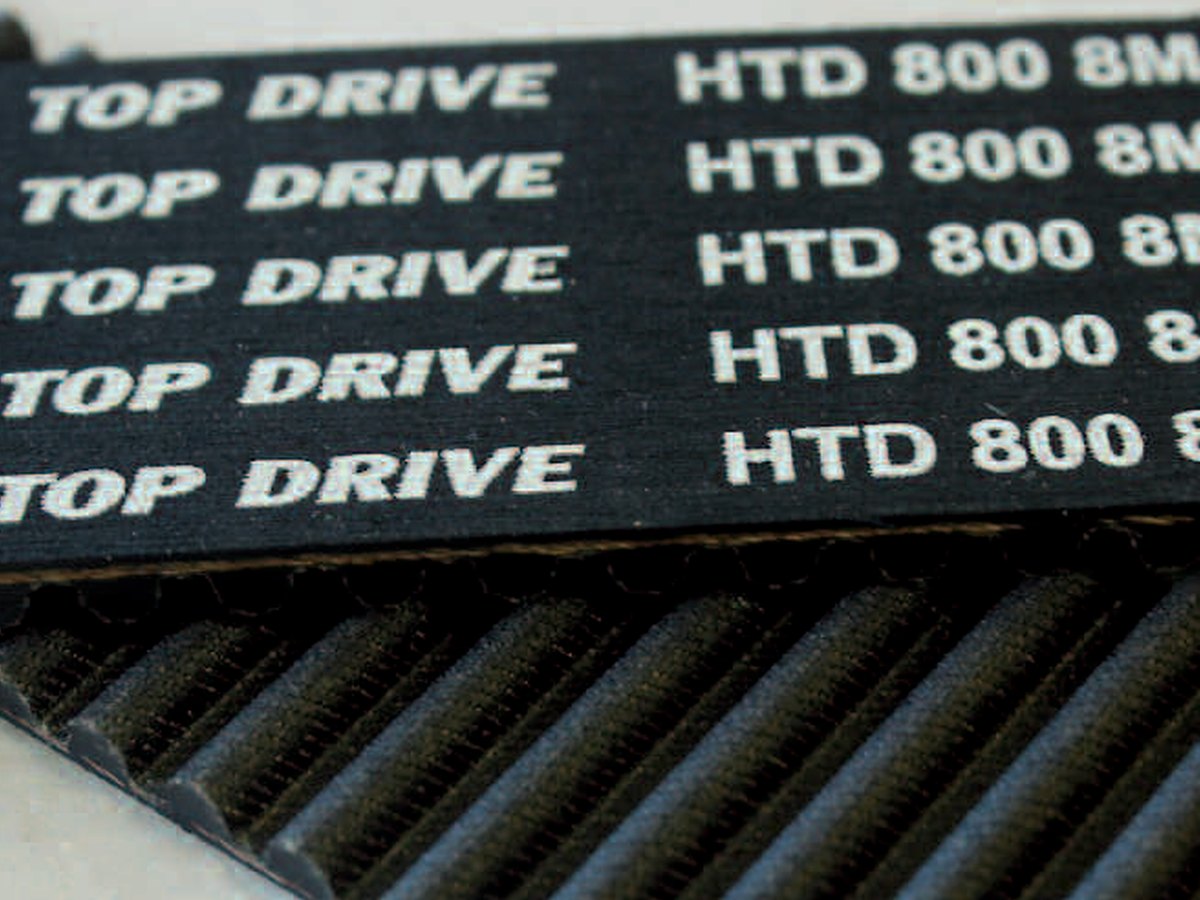
TOP DRIVE HTD
HTD profile to ISO 13050 in 3M, 5M, 8M and 14M; fiberglass cords, chloroprene body.
Request a Quote →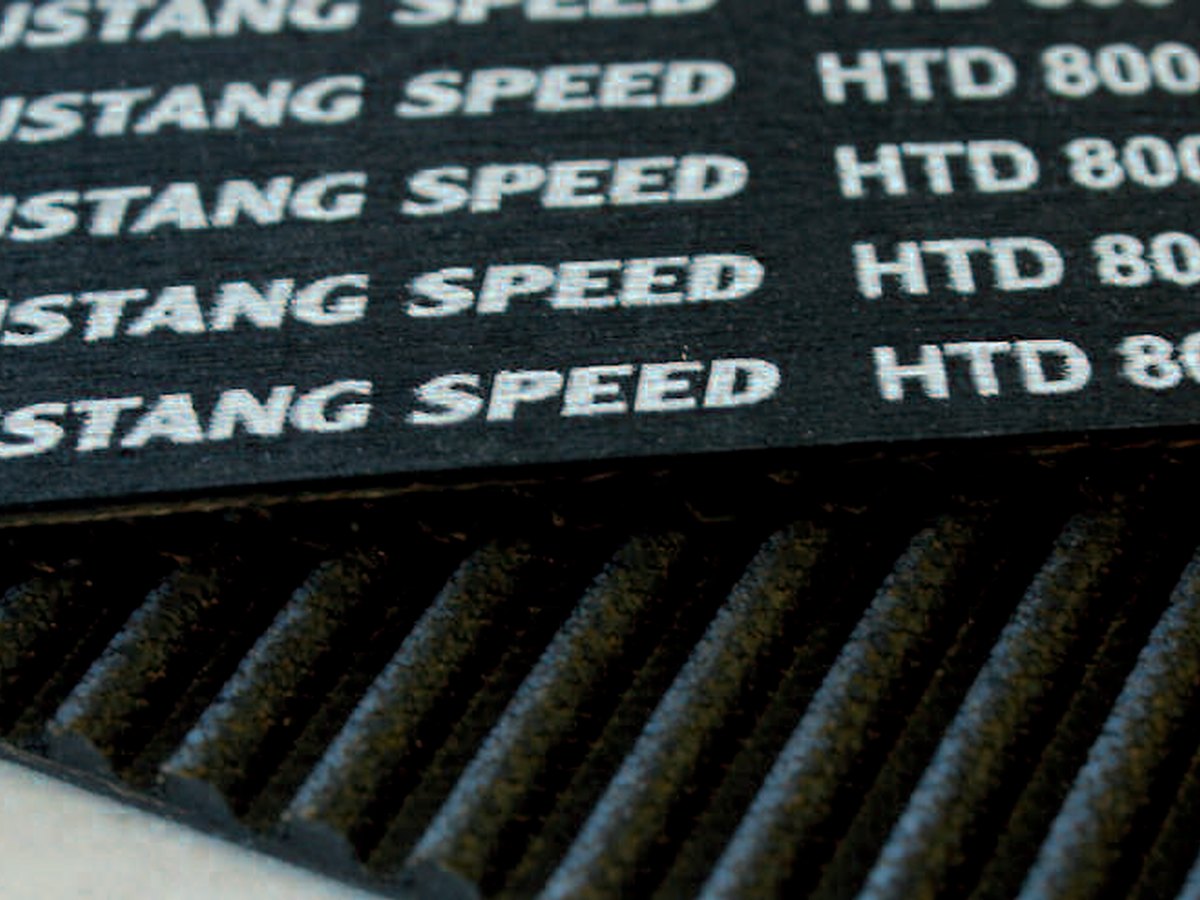
MUSTANG SPEED HTD
Heavy-duty HTD belts 3M-14M for high power at high speed; static conductive (ISO 9563).
Request a Quote →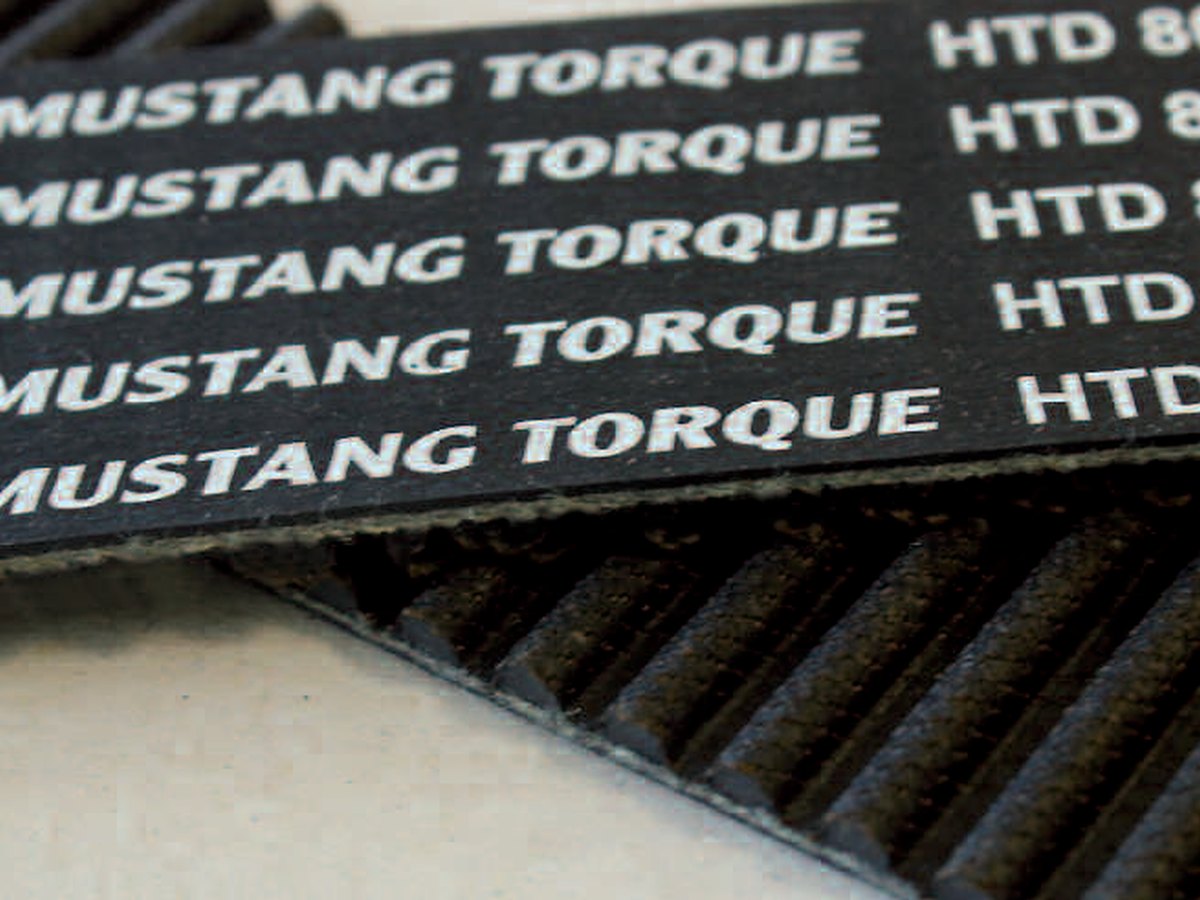
MUSTANG TORQUE HTD
Aramid-cord HTD belts 8M and 14M for high torque at low speed and very compact drives.
Request a Quote →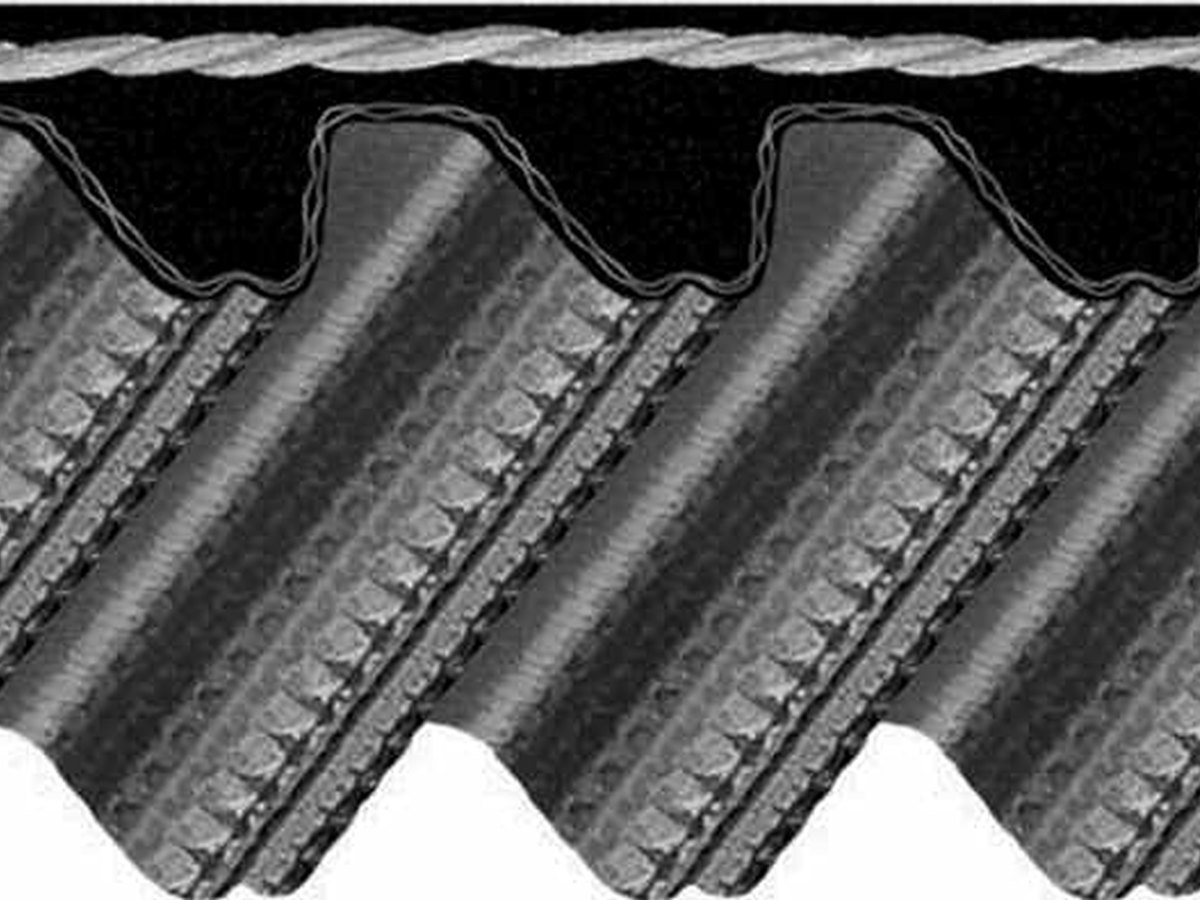
Hi-PERFORMANCE Pd PLUS
8M and 14M belts with parabolic round tooth for higher capacity; an alternative to V-belt drives.
Request a Quote →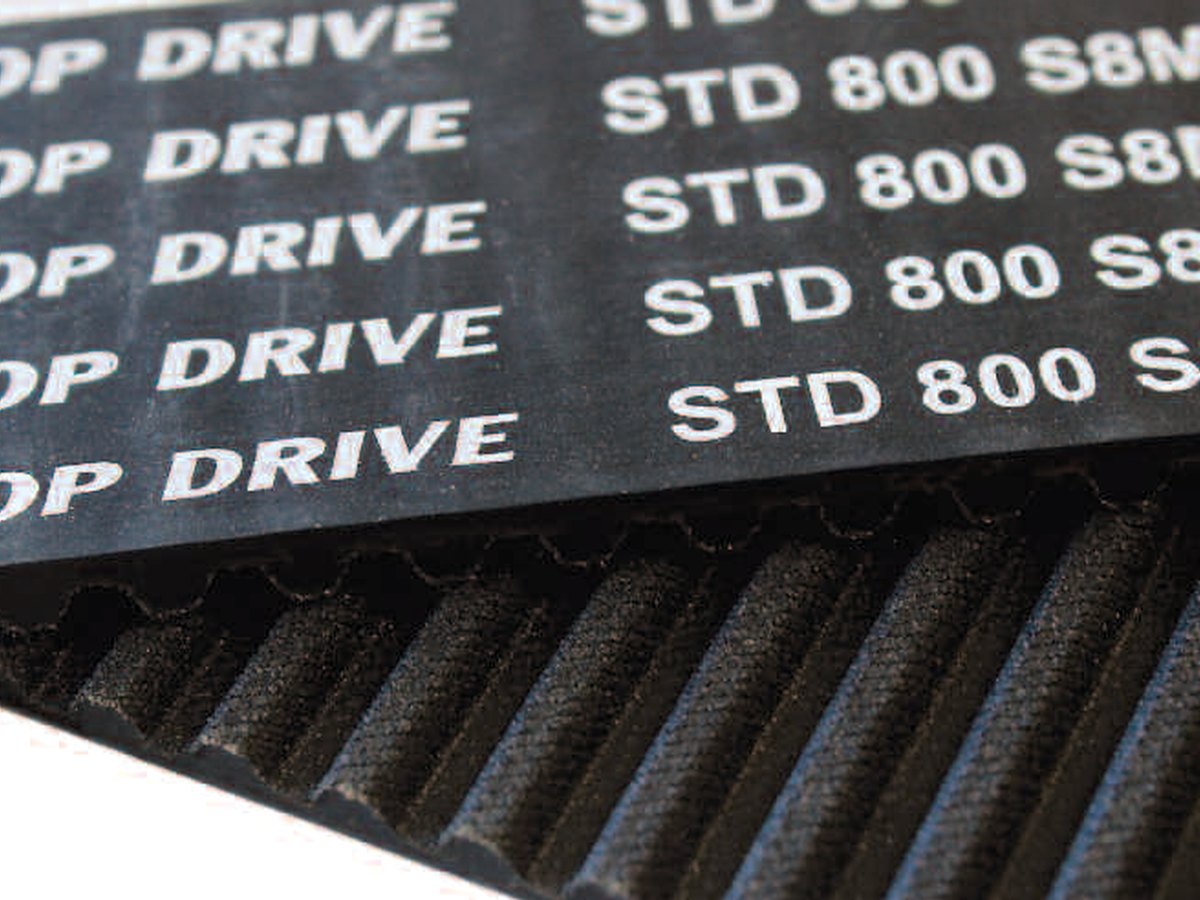
TOP DRIVE STD
8M STD-type (Super Torque) profile for precise meshing and quieter running; runs on HTD pulleys.
Request a Quote →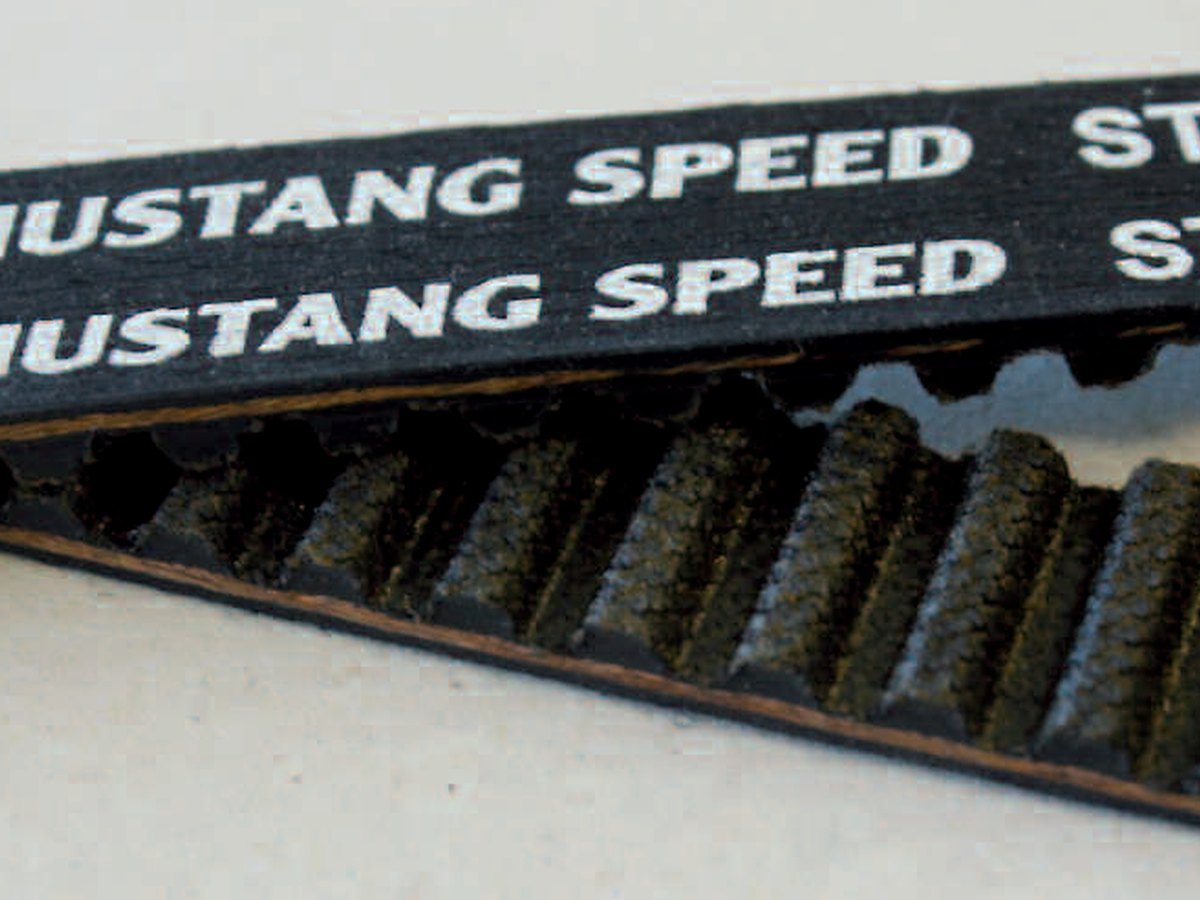
MUSTANG SPEED STD
8M STD-type belts with high power rating; aramid version for high torque at low speed.
Request a Quote →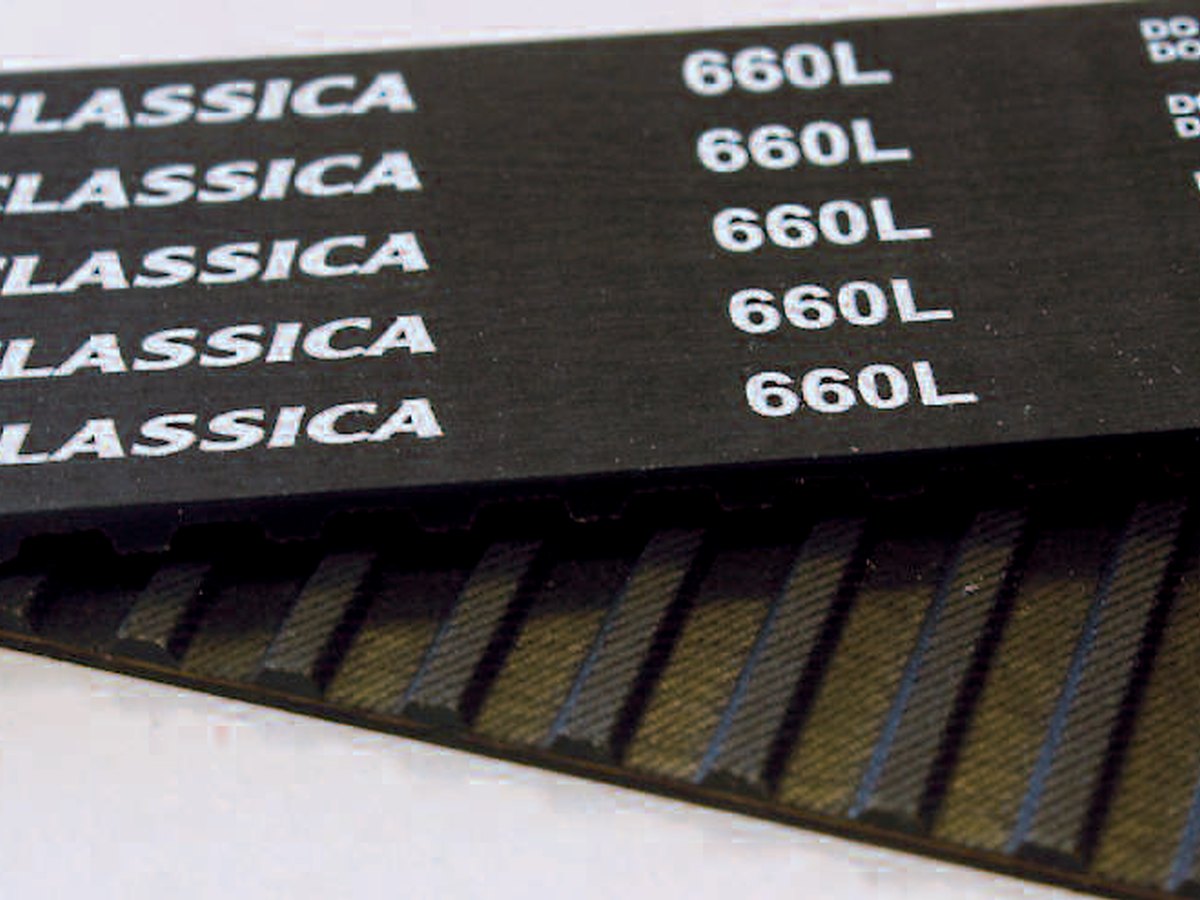
CLASSICA Imperial
Trapezoidal MXL, XL, L, H and XH belts for low to medium torque and existing machines.
Request a Quote →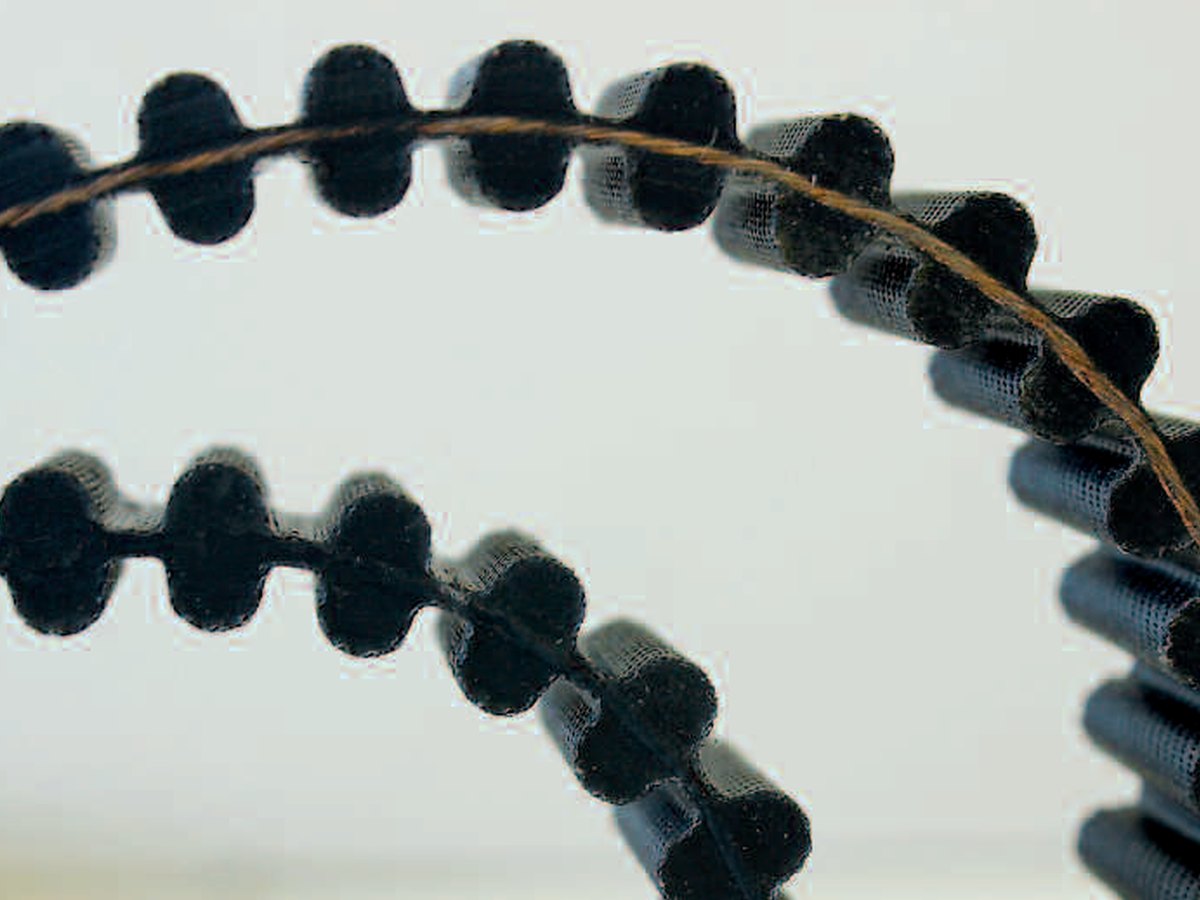
DUAL (Double-Sided)
Teeth on both sides for serpentine and reverse-rotation drives: HTD, STD and imperial versions.
Request a Quote →What is a timing belt?
A timing belt (synchronous belt) is a toothed belt that meshes with the grooves of timing pulleys. Power is transmitted by positive tooth engagement, so there is no slip and the shafts stay exactly synchronised.
Typical constructions use fiberglass or aramid tensile cords for length stability, a chloroprene rubber body and a polyamide (nylon) tooth facing for wear resistance. Timing belts need no lubrication and, according to SIT, high-performance types reach efficiencies up to 98%.
Timing belts are used in machine tools, packaging, printing, textile and woodworking machines, compressors, pumps, fans, conveyors, mills and automation equipment.
A timing belt must match the pulley profile exactly. Same pitch is not enough - HTD, STD-type and other curvilinear profiles differ in tooth shape.
How a Timing Belt Drive Works
The belt teeth engage the pulley grooves and transmit torque by positive engagement, so the speed ratio is fixed by the pulley tooth counts. Curvilinear profiles such as HTD (ISO 13050) spread the tooth load better than classic trapezoidal teeth, giving higher power, better resistance to tooth jumping and lower noise.
Tension cords carry the load and keep the belt length stable. Fiberglass cords suit most drives; aramid cords give higher strength for high-torque, low-speed duty. Double-sided (DUAL) belts transmit power on both faces for multi-shaft and reverse-rotation drives.
Typical Benefits
- No slip - exact synchronisation between shafts.
- High efficiency and no lubrication.
- Compact drives - high power in narrow widths, especially with high-performance profiles.
- Low maintenance - minimal stretch, no re-tensioning in normal service.
- Clean operation - an alternative to chains in many drives.
Tooth Profiles at a Glance
| Profile | Pitches | Typical use |
|---|---|---|
| Imperial trapezoidal | MXL, XL, L, H, XH | Low to medium torque; replacement in existing machines. |
| HTD curvilinear (ISO 13050) | 3M, 5M, 8M, 14M | General industrial synchronous drives. |
| High-performance curvilinear | 8M, 14M | High power or high torque in compact drives. |
| STD-type (Super Torque) | 8M | Precise meshing, quieter running, positioning. |
| Double-sided (DUAL) | XL-H, 5M-14M, 8M STD | Serpentine and reverse-rotation drives. |
Timing Belt Drive Selection - Engineering Procedure
Define the drive data
Power or torque, speeds, ratio, centre distance, operating hours, start/stop and shock conditions.
Determine design power
Design power = transmitted power x service factor, from the belt manufacturer's table.
Select profile and pitch
From the design power and the speed of the faster pulley, using the manufacturer's selection chart.
Select pulleys and belt length
Tooth counts for the ratio; respect the minimum pulley size; nearest standard belt length and centre distance.
Determine belt width
Design power divided by the rated power per width, with teeth-in-mesh and length corrections.
Check installation
Flanged pulleys, tension, alignment and centre-distance adjustment as specified by the manufacturer.
Replacement & Interchange
Read the belt marking (length, profile, pitch and width) and confirm the profile of the pulleys. Upgrading to a higher-performance belt can reduce width or extend life, but only with pulleys of the matching profile and after a drive check.
- Direct Interchange - same profile, pitch, length, width and construction verified.
- Dimensionally Compatible - fits the pulleys; power rating still to be checked.
- Functionally Equivalent - e.g. a higher-capacity belt on matching pulleys after a drive check.
- Engineering Review Required - candidate identified, not yet verified.
Information Required for Selection / RFQ
| Data group | Information to provide |
|---|---|
| Existing belt | Marking (e.g. 1200-8M-30): length, pitch / profile, width; brand; single or double-sided; photos. |
| Pulleys | Tooth counts, profile, flanges, bore or taper bush. |
| Drive data | Power or torque, speeds, centre distance, duty and shock. |
| Environment | Temperature, oil, dust, moisture; static-conductive requirement. |
| Quantity | Required quantity and delivery schedule. |
Leading Manufacturers Worldwide
Well-known European, American and Asian (Japanese and Korean) manufacturers of timing / synchronous belts.
| Manufacturer | Country | Product focus |
|---|---|---|
| ContiTech (Continental) | Germany | V-belts, timing and PU belts |
| Optibelt | Germany | V-belts, timing belts, pulleys |
| SIT S.p.A. | Italy | Flexible, disc, gear and zero-backlash couplings; pulleys, belts, SIT-LOCK, taper bushes |
| Megadyne / Elatech | Italy | Rubber and polyurethane belts |
| Gates | USA | V-belts, synchronous belts, pulleys, tension meters |
| Bando Chemical | Japan | V-belts, timing and PU belts |
| Mitsuboshi Belting | Japan | V-belts and timing belts |
| DRB (Dongil Rubber Belt) | Korea | Industrial belts |
Listed for market information only. Brand names belong to their owners; their mention does not imply that MECHATRIC represents, distributes for or is authorized by these manufacturers. Product availability and equivalents are confirmed per enquiry.
Need timing belts or a synchronous drive review?
Send the belt marking or drive data. MECHATRIC will confirm the profile and propose matching belts and pulleys.
Engineering reference: SIT S.p.A. synchronous belts engineering manual. Power ratings, service factors, lengths, widths, temperature limits and availability must be verified against the manufacturer's current documentation for the selected belt. Brand and family names are used for technical identification and do not by themselves imply representation, authorization or commercial partnership.
Frequently Asked Questions
What is a timing belt?
A toothed belt that meshes with timing pulleys to transmit power without slip and keep shafts synchronised.
Can an HTD belt run on other 8M pulleys?
Only if the pulley profile matches. Some STD-type belts are designed to run on HTD pulleys; other curvilinear profiles are not interchangeable.
Fiberglass or aramid cords?
Fiberglass suits most drives. Aramid gives higher strength for high-torque, low-speed applications.
What is a DUAL (double-sided) belt?
A belt with teeth on both sides, used where pulleys on both faces must be driven, for example in reverse-rotation drives.
What information is needed for a quote?
The belt marking (length, pitch / profile, width) and quantity, or the drive data and pulley tooth counts.