
Timing Pulleys
Synchronous drive pulleys in imperial, metric and HTD-type profiles - selection, bore options and replacement support.
Industrial Timing Pulleys
Timing pulleys for synchronous belt drives in imperial, metric and curvilinear (HTD-type) tooth profiles, with solid hub or taper-bush mounting. MECHATRIC supports profile identification, selection, replacement and RFQ preparation.
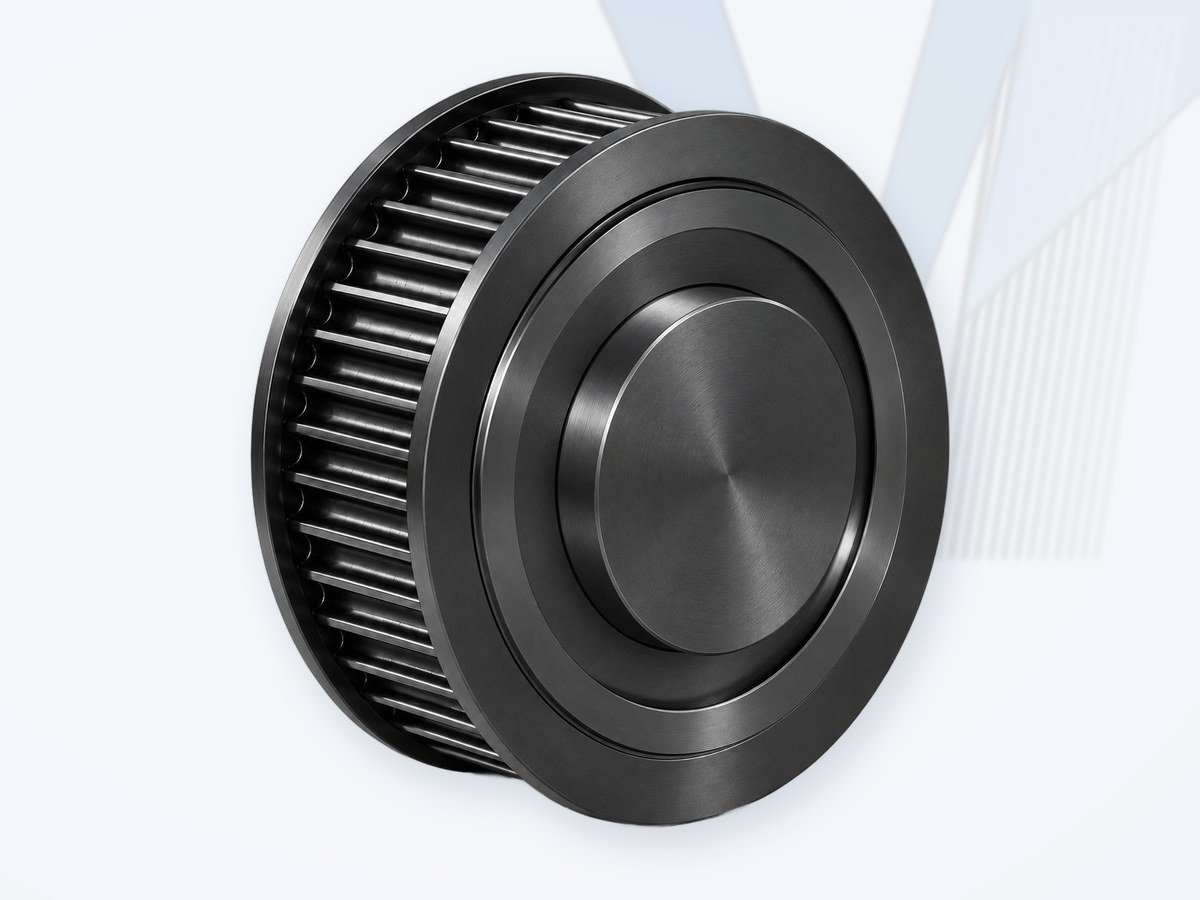
Timing Pulley Families (SIT S.p.A. reference range)
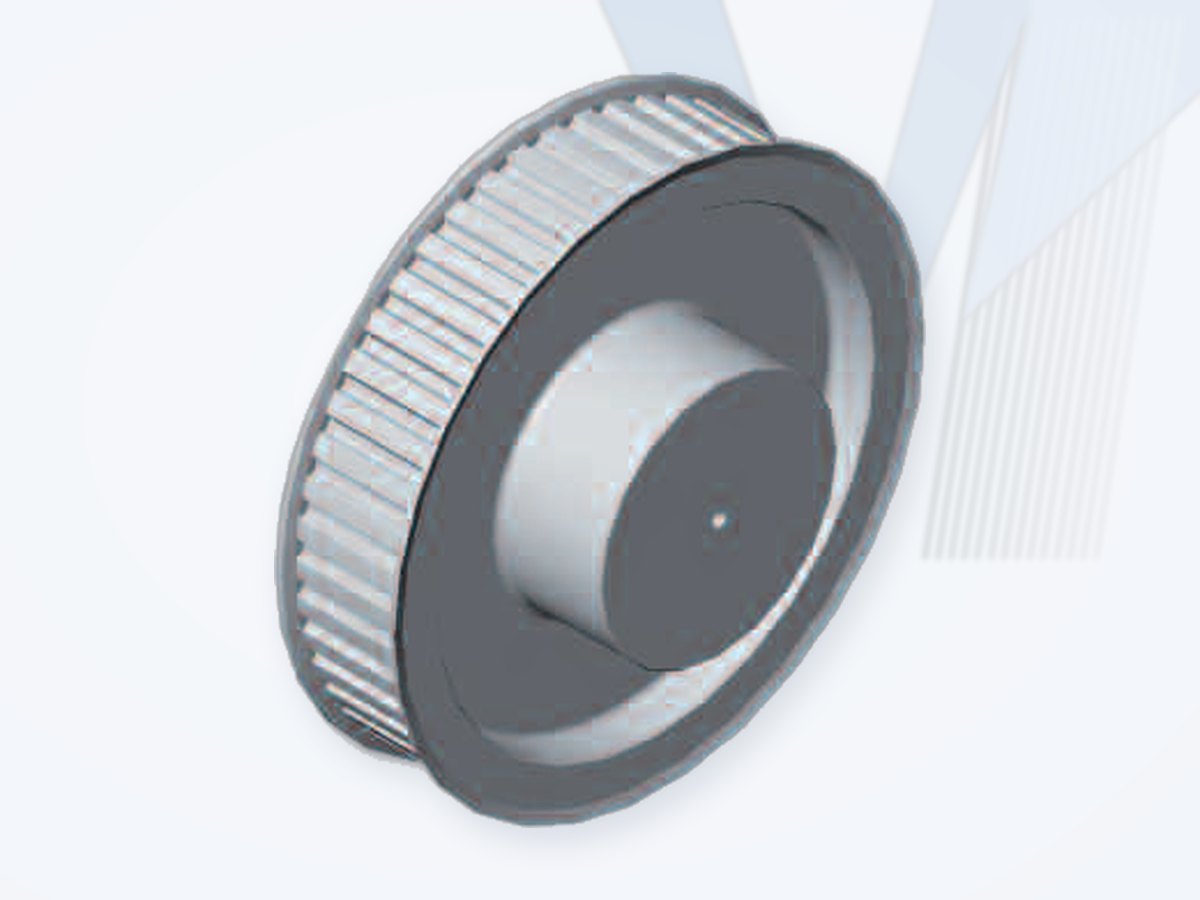
Imperial Pitch
XL, L, H, XH and XXH profiles; solid hub (aluminium / cast iron / steel) or taper bush SER-SIT (L, H, XH).
Request a Quote →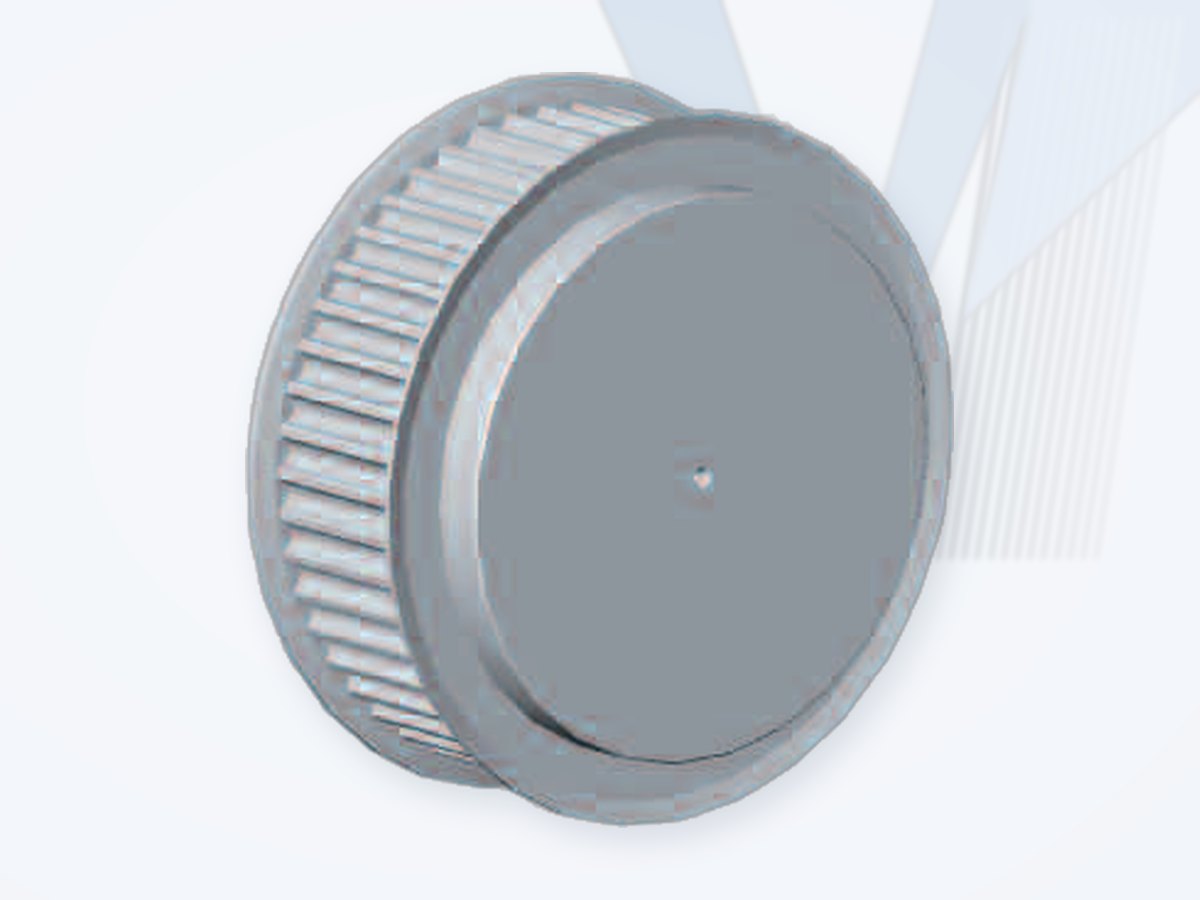
Metric Pitch T / AT
T2.5, T5, T10, AT5, AT10 in aluminium solid hub; T20 / AT20 on request; zero-backlash version for positioning on request.
Request a Quote →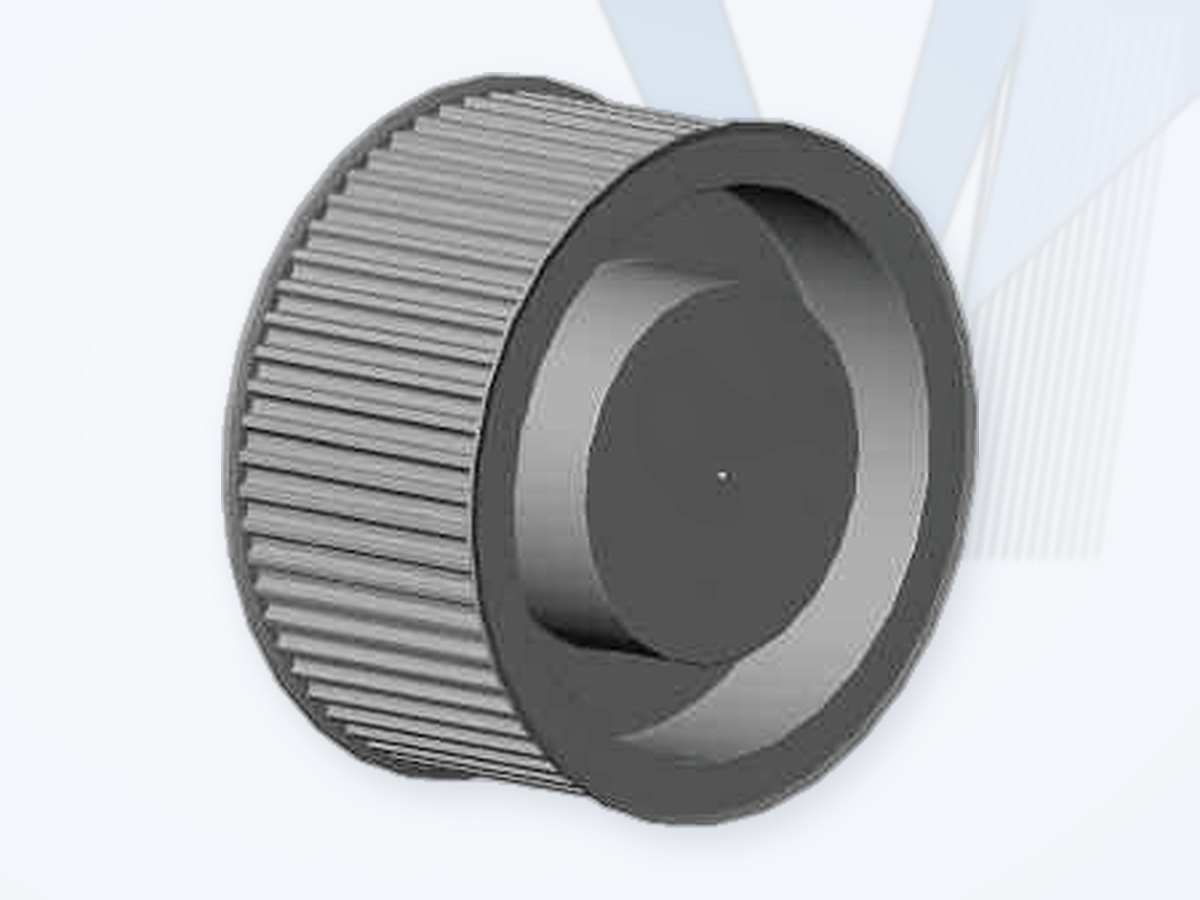
TOP DRIVE HTD
3M, 5M, 8M and 14M curvilinear profiles; solid hub or taper bush (5M, 8M, 14M).
Request a Quote →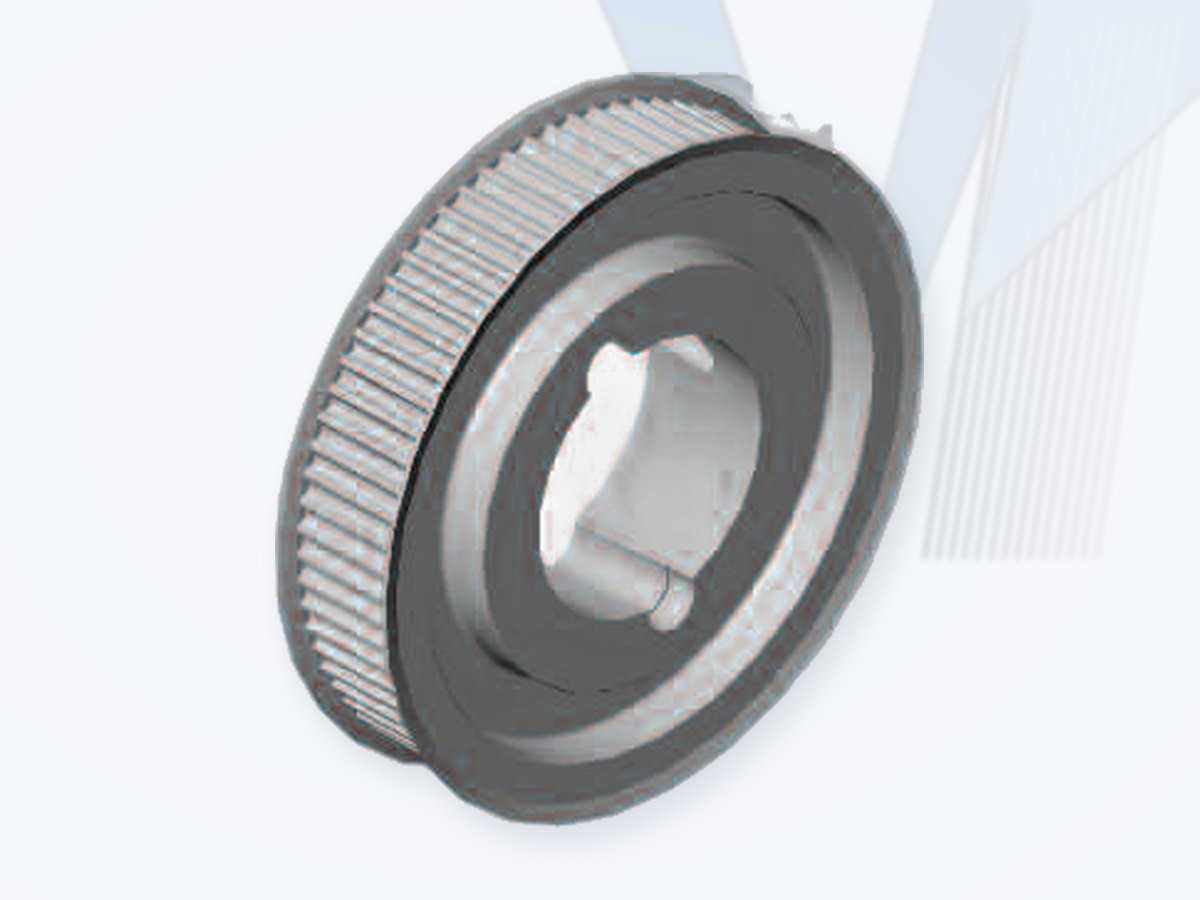
TOP DRIVE STD
S3M, S4.5M, S5M, S8M and S14M profiles designed to reduce the polygonal effect; solid hub or taper bush.
Request a Quote →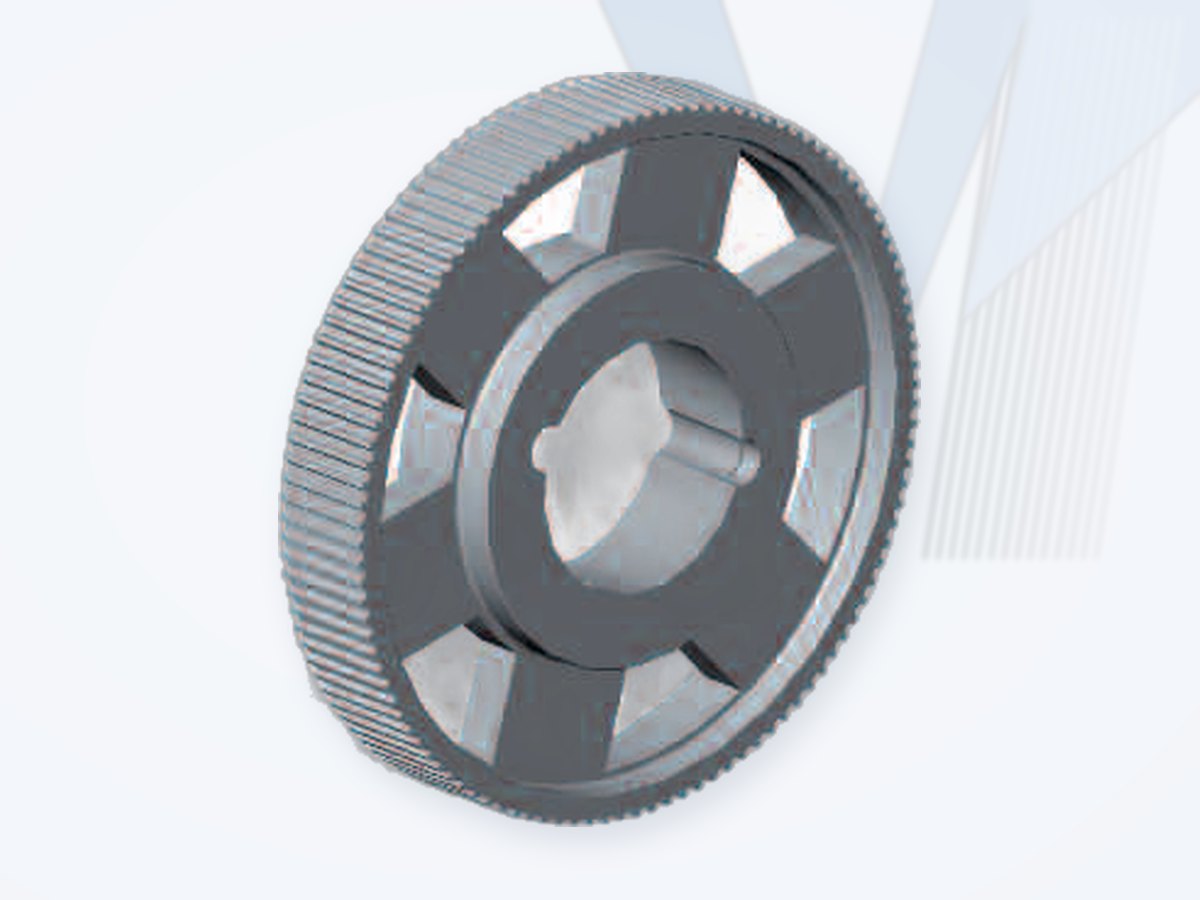
FALCON GTR
8M and 14M taper-bush pulleys developed by SIT for FALCON Pd belts.
Request a Quote →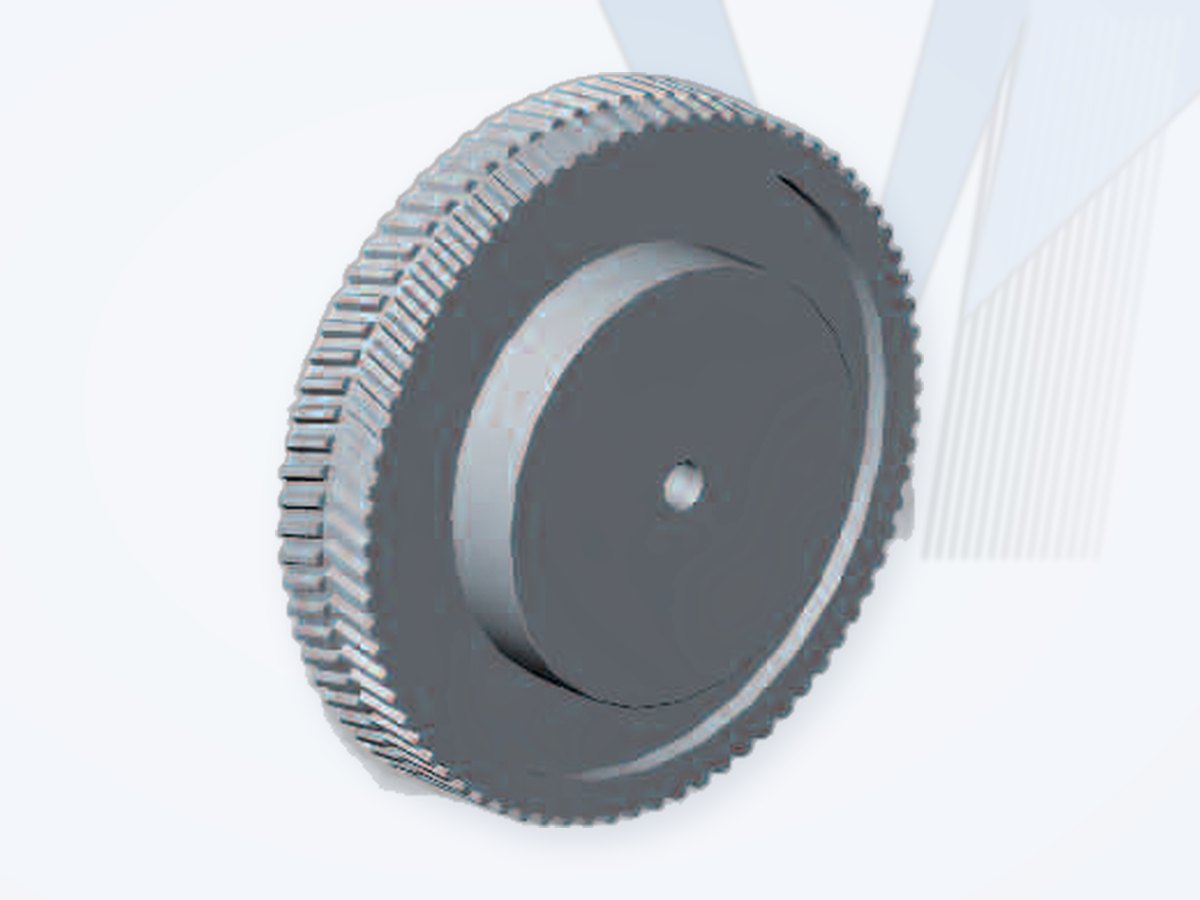
EAGLE
5M, 8M, 10M and 14M pulleys for SILENT SYNC belts; self-aligning drive without flanges; aluminium versions available.
Request a Quote →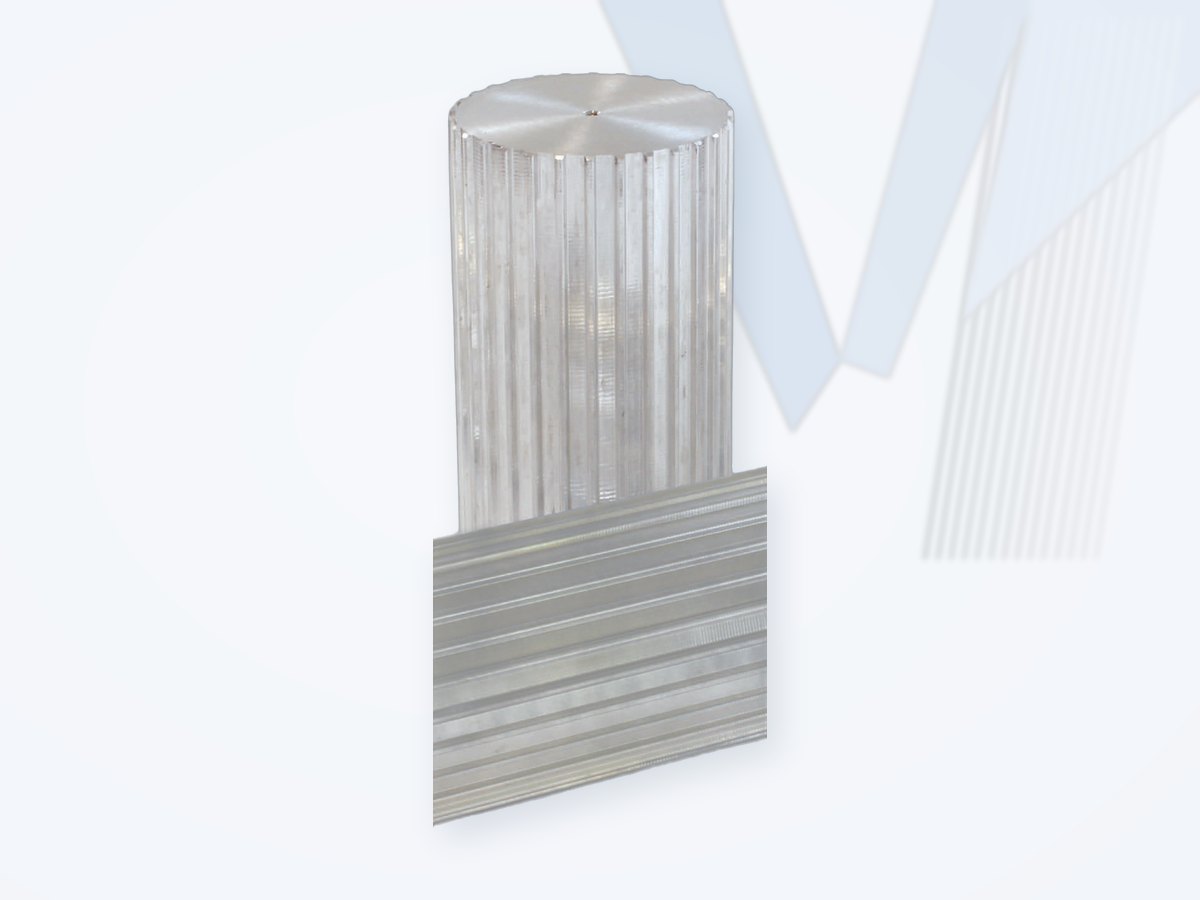
Timing Bars
Toothed bar stock in imperial, HTD and metric T / AT profiles for special or machined pulleys.
Request a Quote →
Flanges & Clamp Plates
Pulley flanges and belt clamp plates (finished or raw) for linear drives.
Request a Quote →What is a timing pulley?
A timing pulley (synchronous pulley) is a toothed pulley that meshes with the teeth of a timing belt. Because power is transmitted by positive tooth engagement rather than friction, the drive runs without slip and keeps a fixed speed ratio between shafts.
Timing pulleys are used in conveyors, packaging and printing machines, machine tools, pumps, fans, compressors, linear and positioning drives and general industrial machinery wherever synchronised motion, high efficiency and low maintenance are required.
The pulley profile must match the belt profile exactly. Pitch alone is not enough: trapezoidal (XL, L, H, T, AT) and curvilinear (HTD-type, STD-type and proprietary high-performance) profiles with the same nominal pitch are generally not interchangeable.
The pulley must match the exact belt profile, pitch and width. Similar pitch does not mean compatible profile.
How a Timing Pulley Drive Works
Belt teeth engage the pulley grooves and transmit torque by positive engagement. Because there is no slip, the speed ratio is fixed by the tooth counts of the two pulleys. Curvilinear profiles (HTD-type and later designs) distribute tooth load more evenly than classic trapezoidal profiles and generally allow higher torque in the same width.
Timing belts move slightly sideways in operation, so at least one pulley is normally flanged - usually the smaller one. According to SIT, both pulleys should be flanged when the centre distance exceeds about 8 times the small pulley diameter or when the shafts are not horizontal. Self-aligning systems such as EAGLE are designed to run without flanges.
Typical Benefits
- No slip - fixed speed ratio and synchronised shafts.
- High efficiency and low maintenance compared with chain drives, with no lubrication.
- Wide profile range - imperial, metric T / AT, HTD-type and high-performance profiles.
- Flexible mounting - solid hub for custom boring, or taper bush for quick installation and removal.
- Linear drives - clamp plates and timing bars for positioning and handling systems.
Tooth Profiles at a Glance
| Profile group | Typical pitches | Engineering note |
|---|---|---|
| Imperial trapezoidal | XL, L, H, XH, XXH | Classic inch-pitch profiles; still common in existing machines and replacements. |
| Metric trapezoidal | T2.5, T5, T10, T20 / AT5, AT10, AT20 | Common in automation and linear drives; AT has a reinforced tooth for higher load. |
| Curvilinear HTD-type | 3M, 5M, 8M, 14M | Rounded tooth for higher torque and reduced tooth stress. |
| Modified curvilinear STD-type | S3M, S4.5M, S5M, S8M, S14M | Groove geometry designed for low noise and reduced polygonal effect. |
| High-performance proprietary | 8M, 14M (and others) | Matched pulley / belt systems; use the pulley specified for the selected belt. |
Bore & Mounting Options
| Option | Description |
|---|---|
| Solid hub (pilot bore) | Pulley is bored, keyed and set-screwed to the shaft size; aluminium, cast iron or steel depending on profile and size. |
| Taper bush (SER-SIT) | Cast iron or steel pulley with taper bush seat; quick mounting and removal with standard bushes. |
| Keyless locking | Self-centring locking elements for precision or high-speed drives where keyways are not wanted. |
| Special execution | Special bores, hubs, materials, balancing or zero-backlash teeth on request. |
Timing Pulley Selection - Engineering Procedure
Identify the belt
Profile, pitch, width and tooth count of the belt; existing belt markings or the belt manufacturer's designation.
Define the drive data
Power or torque, driver and driven speeds, required ratio, service factor, start/stop and shock conditions.
Select tooth counts and diameters
Check minimum pulley size for the profile and the resulting centre distance and belt length.
Check peripheral speed and material
Peripheral speed (m/s) = pulley diameter (mm) x rpm / 19100. SIT strongly recommends steel above 33 m/s; light-metal pulleys can reduce belt life.
Choose bore and mounting
Solid hub or taper bush; shaft diameter, keyway and axial position.
Specify flanges
At least one flanged pulley; both flanged for long centre distances or non-horizontal shafts, unless the system is self-aligning.
Replacement & Interchange
When replacing a timing pulley, identify the belt profile first. A pulley with the same pitch but a different profile (for example HTD 8M versus another 8M curvilinear profile) can shorten belt life or fail to mesh correctly. Tooth count, width, flange arrangement, bore and hub dimensions must all be confirmed.
- Direct Interchange - same profile, pitch, tooth count, width and mounting verified.
- Dimensionally Compatible - interfaces verified; drive performance still to be checked.
- Functionally Equivalent - performs the duty but may differ in profile system or arrangement (belt and pulleys changed together).
- Engineering Review Required - candidate identified, not yet verified.
Information Required for Selection / RFQ
| Data group | Information to provide |
|---|---|
| Belt | Profile and pitch, width, length / tooth count, belt brand and designation. |
| Pulley | Number of teeth, flanged / unflanged, material, existing drawing or photos. |
| Mounting | Solid hub bore and keyway, or taper bush size; hub length and position. |
| Drive data | Power or torque, speeds, ratio, centre distance, duty and environment. |
| Quantity | Required quantity and delivery schedule. |
Leading Manufacturers Worldwide
Well-known European, American and Asian (Japanese and Korean) manufacturers of timing pulleys.
| Manufacturer | Country | Product focus |
|---|---|---|
| SIT S.p.A. | Italy | Flexible, disc, gear and zero-backlash couplings; pulleys, belts, SIT-LOCK, taper bushes |
| Optibelt | Germany | V-belts, timing belts, pulleys |
| Fenner Drives | United Kingdom | Taper-Lock bushes, pulleys, couplings, keyless bushings |
| Gates | USA | V-belts, synchronous belts, pulleys, tension meters |
| Martin Sprocket & Gear | USA | Sheaves, sprockets, bushings |
| Tsubaki | Japan | Couplings, POWER-LOCK, backstops, chains |
| Mitsuboshi Belting | Japan | V-belts and timing belts |
Listed for market information only. Brand names belong to their owners; their mention does not imply that MECHATRIC represents, distributes for or is authorized by these manufacturers. Product availability and equivalents are confirmed per enquiry.
Need a timing pulley or a full synchronous drive?
Send the belt designation, tooth count, bore and drive data. MECHATRIC will check the profile and propose a matching pulley and belt solution.
Engineering reference: SIT S.p.A. "SIT Timing Pulleys" catalogue. Exact dimensions, tooth counts, materials, tolerances and availability must be verified against the manufacturer's current documentation for the selected size. FALCON Pd and SILENT SYNC are trademarks of their respective owners. Brand and family names are used for technical identification and do not by themselves imply representation, authorization or commercial partnership.
Frequently Asked Questions
What is a timing pulley?
A toothed pulley that meshes with a timing belt to transmit power without slip at a fixed speed ratio.
Are HTD and other 8M pulleys interchangeable?
Not automatically. Curvilinear profiles with the same pitch can differ in tooth shape; the pulley must match the belt profile.
Do both pulleys need flanges?
Usually one flanged pulley is enough. Both are recommended for long centre distances (about 8x the small pulley diameter) or non-horizontal shafts, unless the system is self-aligning.
Solid hub or taper bush?
Solid hub suits custom bores and small sizes; taper bush allows quick installation and removal with standard bushes.
What information is needed for a quote?
Belt profile and width, number of teeth, flanges, bore or taper bush size, and drive data or an existing drawing / photo.