
Polyurethane Belts
Polyurethane timing and conveying belts, endless or open-ended, for automation, linear and conveying drives.
Polyurethane Belts
Polyurethane (PU) timing and conveying belts for automation, positioning, linear and conveying applications. MECHATRIC supports profile identification, selection and RFQ preparation.
Polyurethane Belt Families (ELATECH / SIT reference range)
ELATECH M - Open End
Rolls of 100 m cut to any length; high precision and dimensional stability for linear motion drives.
Request a Quote →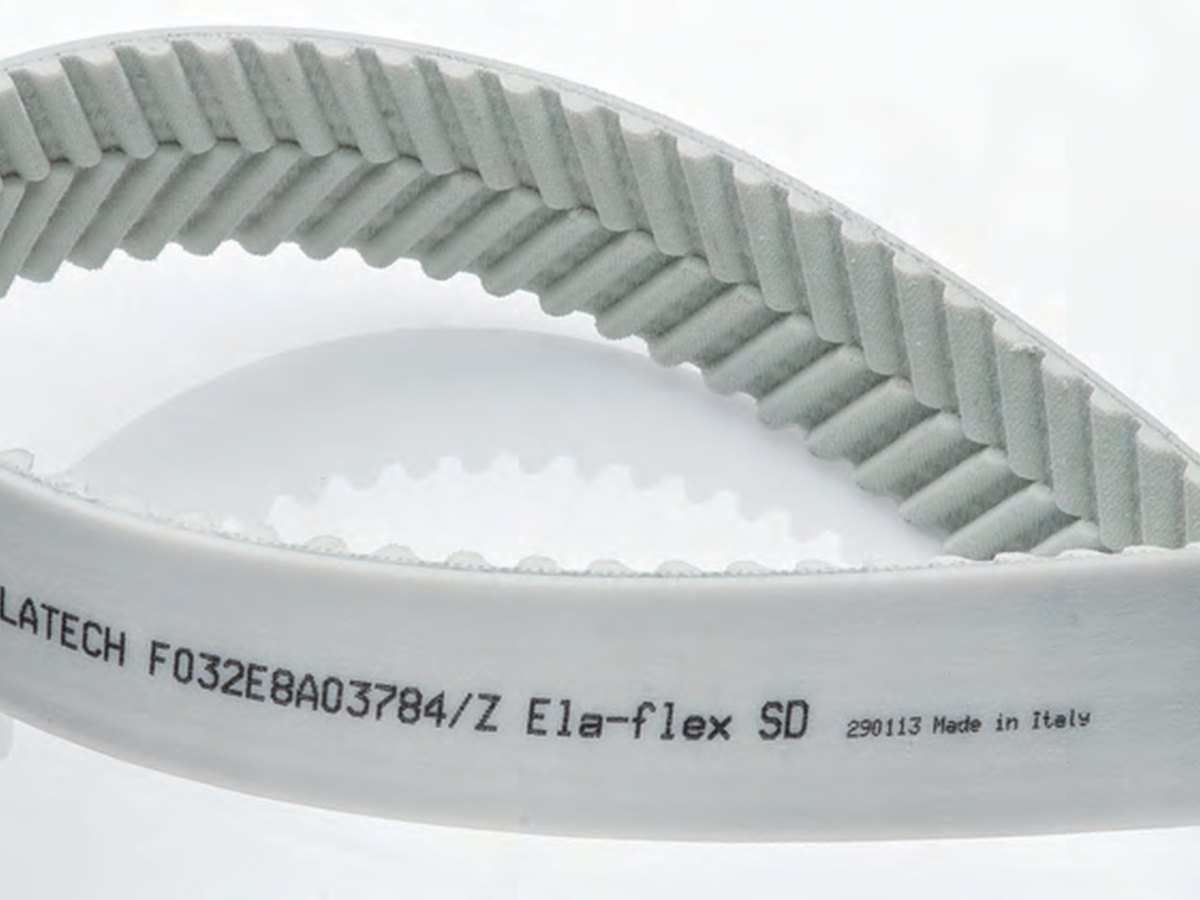
ELATECH V - Jointed
Welded endless belts made from open-end belt, any length; synchronised conveying up to 2 m/s (not for power transmission).
Request a Quote →ELA-flex SD
Truly endless steel-cord belts with no splice, 800 to 24,000 mm, for power transmission and high-load conveying.
Request a Quote →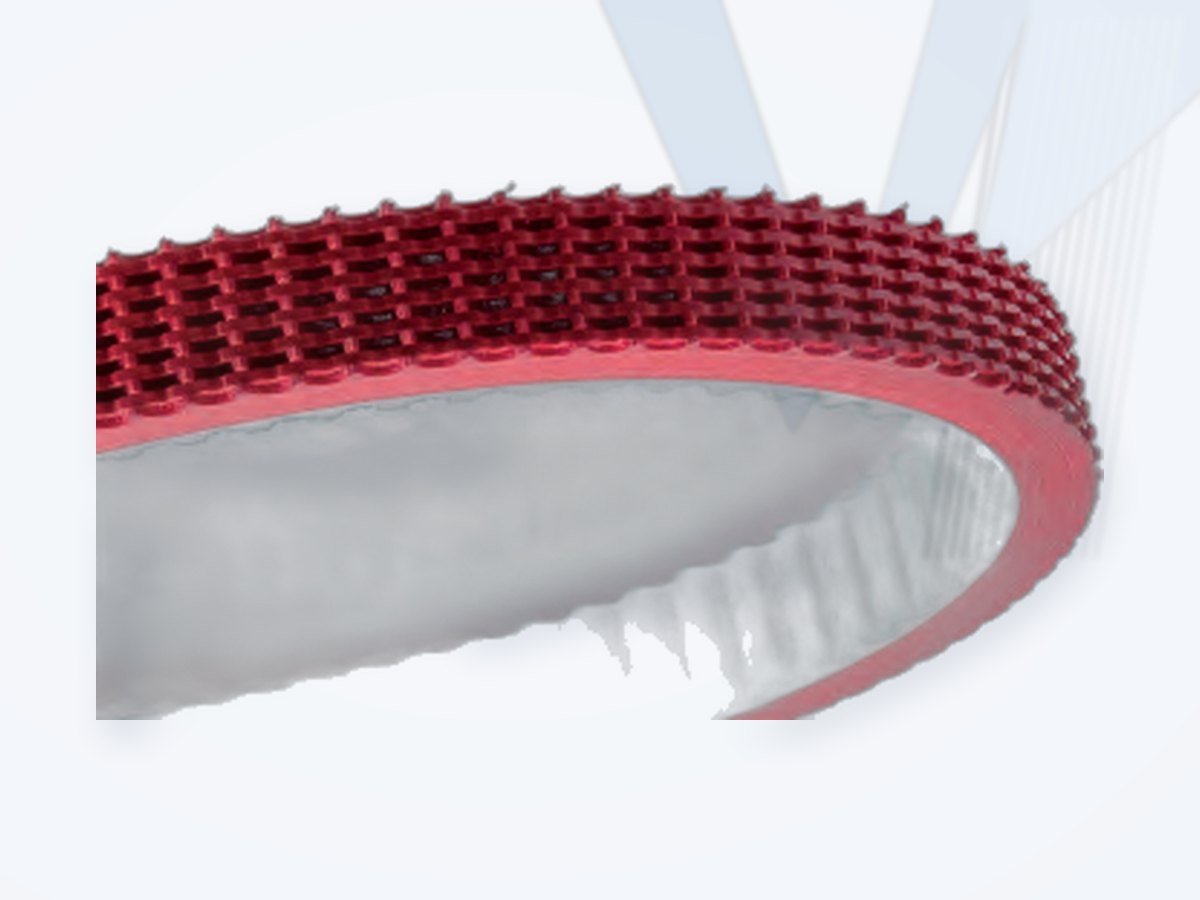
iSync
High-performance thermoset PU belts with steel or aramid cords for precise, high-power drives.
Request a Quote →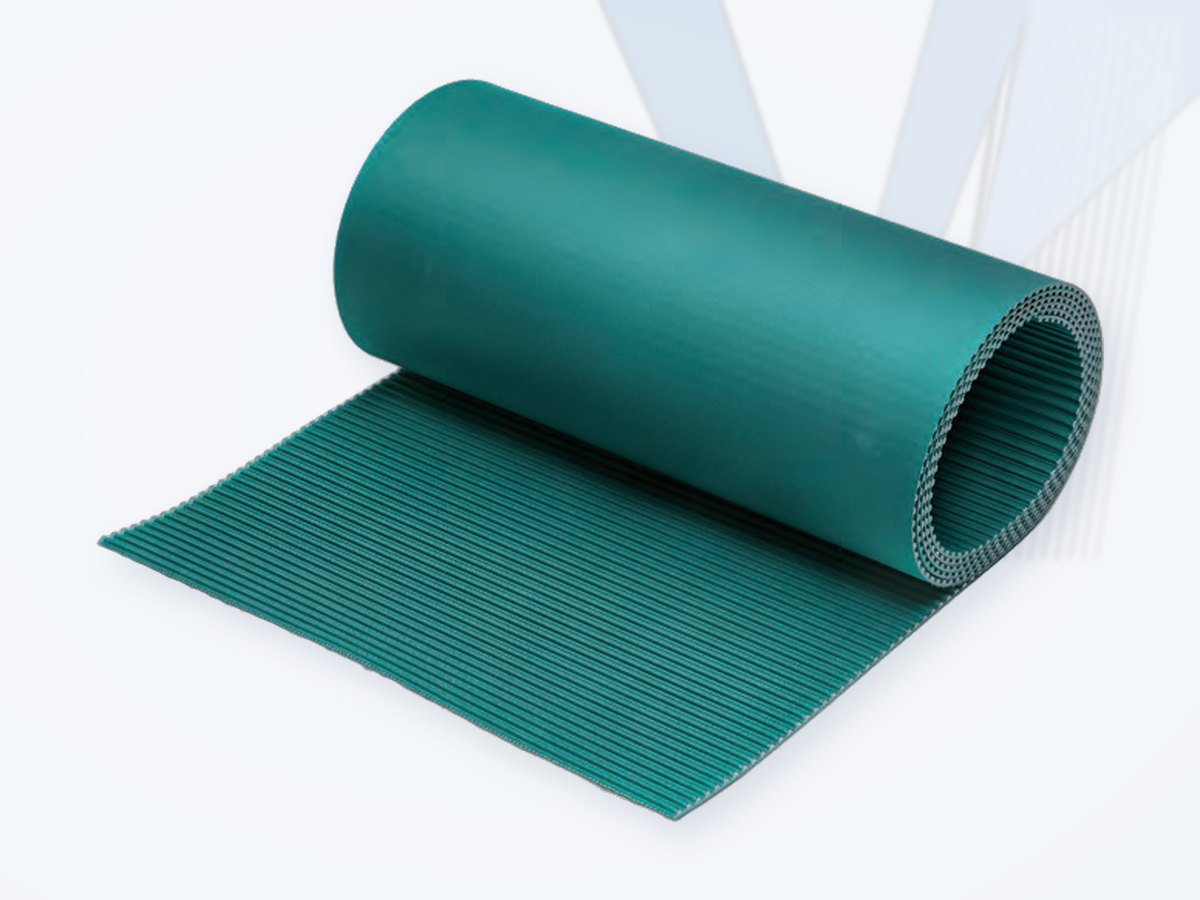
SYNCRO-MAX Extra-Wide
Aramid-reinforced extra-wide belts up to 500 mm for synchronous flat-belt style conveying.
Request a Quote →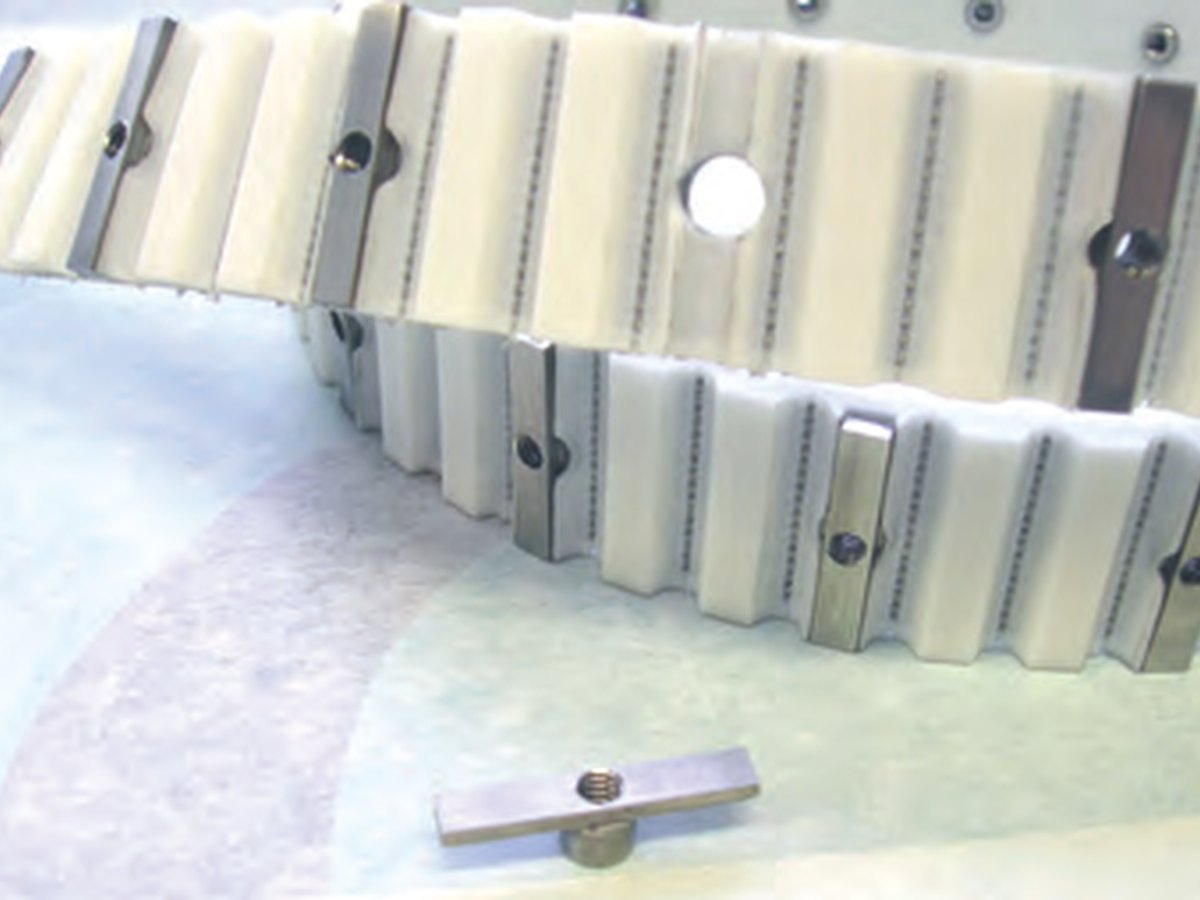
Backings, Profiles & Cleats
Fabric, cellular, PVC / PU, rubber and silicone backings; welded profiles, mechanical fastening and machining.
Request a Quote →What is a polyurethane belt?
A polyurethane belt is a drive or conveying belt made from thermoplastic polyurethane, usually reinforced with steel or aramid tension cords. PU timing belts are available endless, open-ended (cut to length and clamped) or welded, in metric T / AT, HTD-type and imperial profiles.
They are used where low stretch, high positioning accuracy, wear resistance and clean operation are required - for example linear axes, packaging, handling and food-processing conveyors. Backings, coatings and cleats can be added for conveying tasks.
Profile, cord type, width, length and coating must be matched to the pulleys and the application; exact data are verified against the selected manufacturer's current documentation.
Choose the belt construction by duty: open-end for linear axes, jointed for light synchronous conveying, truly endless for power transmission and heavy conveying.
Why Polyurethane Belts
A polyurethane body reinforced with steel or aramid cords gives very low elongation, high positioning accuracy and excellent abrasion resistance. According to ELATECH, standard PU resists most oils and greases well, while resistance to acids and alkaline solutions is limited; special compounds are available for food contact, higher temperatures or aggressive media.
Special cords extend the range: high-performance cords for lower elongation, high-flexibility cords for pulleys up to about 30% smaller, stainless steel for aggressive environments, and aramid for lower weight and non-magnetic belts.
Typical Benefits
- Precise positioning - low stretch with steel cords.
- Abrasion and oil resistant polyurethane body.
- Clean operation - no lubrication, no dust.
- Any length - open-end, jointed or truly endless.
- Conveying options - backings, cleats and machining for product handling.
Profiles Available
| Profile group | Profiles | Typical use |
|---|---|---|
| Metric trapezoidal | T, AT, ATL | Linear axes, automation and conveying. |
| Imperial | MXL, XL, L, H, XH | Existing inch-pitch machines. |
| Curvilinear | HTD, XHPL (high load), RTD, STD | Power transmission and higher loads. |
| Self-tracking | EAGLE TK / ATK | Drives without flanges. |
| Flat and Poly-V | Flat belts, heavy series, Poly-V | Friction drives and conveying. |
Selection - Engineering Procedure
Define the application
Linear motion, conveying, lifting or power transmission; loads, speeds, accelerations and positioning accuracy.
Choose the construction
Open-end, jointed or truly endless, according to duty and length.
Select profile, pitch and cord
From the manufacturer's linear or power-transmission calculation and selection graphs.
Determine width and length
Check tooth shear, cord tension and minimum pulley / idler diameters.
Specify backing and profiles
Friction, wear, temperature, food contact and product-handling requirements.
Check installation
Tension (e.g. by span-frequency measurement), pulley alignment and clamping of open-end belts.
Information Required for Selection / RFQ
| Data group | Information to provide |
|---|---|
| Existing belt | Profile and pitch, width, length, cord type, open-end / jointed / endless, backing; photos. |
| Application | Linear, conveying or power transmission; loads, speeds, accelerations. |
| Pulleys | Tooth counts or diameters, idlers, clamp plates. |
| Environment | Temperature, oils, chemicals, food contact, cleanroom. |
| Quantity | Length or number of belts and delivery schedule. |
Leading Manufacturers Worldwide
Well-known European, American and Asian (Japanese and Korean) manufacturers of polyurethane belts.
| Manufacturer | Country | Product focus |
|---|---|---|
| Habasit | Switzerland | Polyurethane and conveyor belts |
| Megadyne / Elatech | Italy | Rubber and polyurethane belts |
| BRECO | Germany | Polyurethane timing belts |
| ContiTech (Continental) | Germany | V-belts, timing and PU belts |
| SIT S.p.A. | Italy | Flexible, disc, gear and zero-backlash couplings; pulleys, belts, SIT-LOCK, taper bushes |
| Gates | USA | V-belts, synchronous belts, pulleys, tension meters |
| Bando Chemical | Japan | V-belts, timing and PU belts |
| Mitsuboshi Belting | Japan | V-belts and timing belts |
Listed for market information only. Brand names belong to their owners; their mention does not imply that MECHATRIC represents, distributes for or is authorized by these manufacturers. Product availability and equivalents are confirmed per enquiry.
Need a polyurethane belt?
Send the belt marking or application data. MECHATRIC will confirm the profile and construction and propose a matching belt and pulleys.
Engineering reference: SIT S.p.A. / ELATECH polyurethane belts catalogue. Ratings, dimensions, chemical resistance and availability must be verified against the manufacturer's current documentation. Brand and family names are used for technical identification and do not by themselves imply representation, authorization or commercial partnership.
Frequently Asked Questions
What is a polyurethane timing belt?
A toothed belt with a polyurethane body and steel or aramid cords, used for precise linear motion, conveying and power transmission.
Open-end, jointed or endless - which one?
Open-end for linear axes clamped at both ends; jointed (welded) for light synchronous conveying; truly endless for power transmission and heavy conveying.
Can jointed belts transmit power?
According to ELATECH, jointed V belts are designed for conveying up to 2 m/s and are not intended for power transmission.
Are PU belts suitable for food contact?
Standard material is not; special food-compliant compounds and backings are available on request.
What information is needed for a quote?
Profile and pitch, width, length, cord type, construction and backing - or the application data.